Ceramic Coating vs Paint Protection Film: Phoenix Guide
Ceramic Coating vs Paint Protection Film
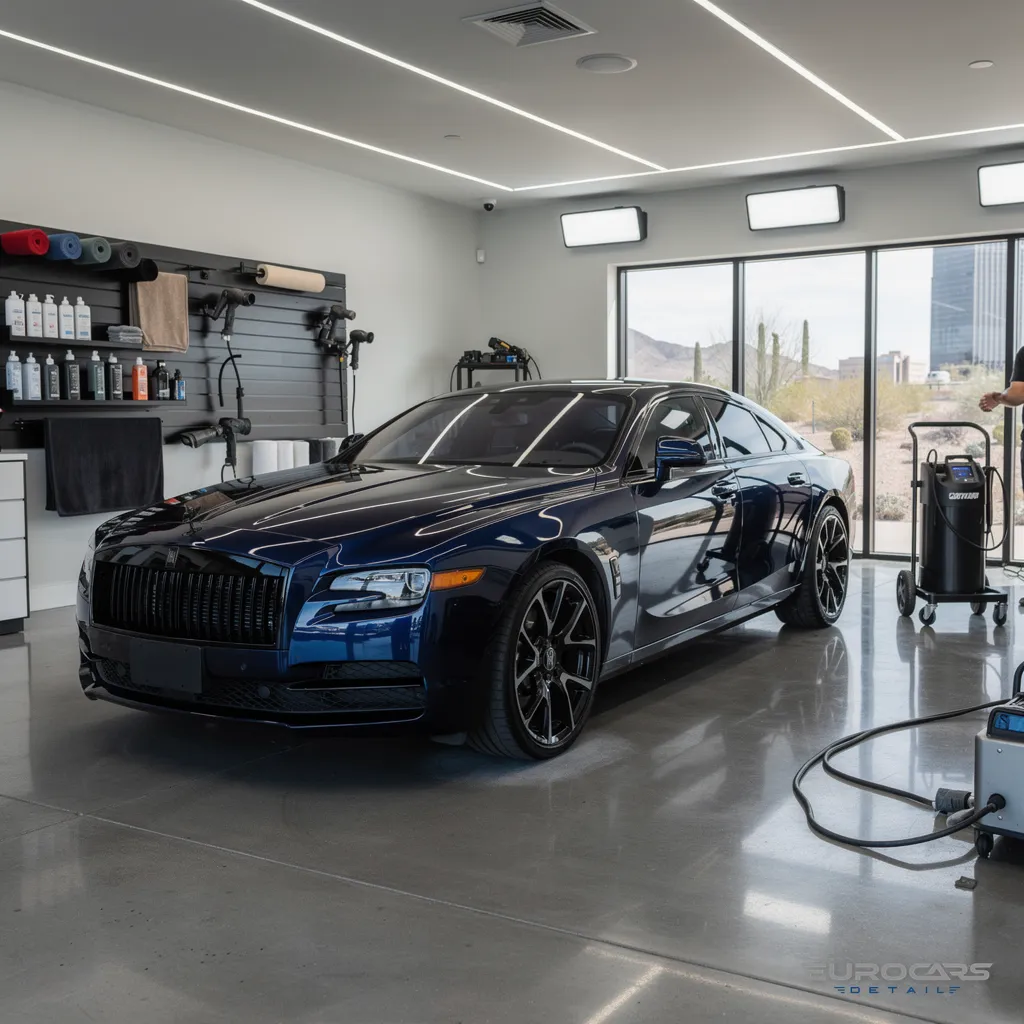
Paint Protection Film absorbs physical impact from rock chips and gravel on Phoenix desert highways. Ceramic Coating shields against sun and dust for easier washing. EuroCars Detail, based in Phoenix, AZ, recommends PPF first for high-impact areas, then ceramic coating for overall UV and dust resistance.
Paint protection film shields Phoenix vehicles from rock chips, road debris, and self-heals light scratches. Ceramic coating guards against UV rays, oxidation, and sun fade common in Arizona's climate. EuroCars Detail, a certified XPEL installer, pairs both for complete defense—PPF on impact zones, ceramic coating across remaining paint, delivering lasting gloss and protection.
Key Takeaways
- Paint Protection Film shields against physical damage from gravel, dust, and debris on Phoenix desert highways.
- Ceramic Coating reduces water spots and makes vehicles easier to wash in Arizona's harsh sun.
- PPF requires professional installation; ceramic coating application takes several hours for complete coverage.
- EuroCars Detail in Phoenix recommends combining both treatments for maximum paint protection and longevity.
What's the Difference Between These Two Options?
Ceramic coating and paint protection film solve two separate problems on a vehicle's finish. Ceramic coating is a liquid polymer that bonds to paint, adding gloss and resisting chemical staining. Paint protection film is a thick, self-healing urethane layer that physically absorbs impacts before they reach the clear coat. Industry guidance consistently frames these as complementary products rather than competitors, noting they serve different purposes and often deliver the best results when applied together.
For Phoenix drivers navigating rock chips on the 101 loop and relentless summer sun, that distinction matters. A coating alone won't stop a pebble from chipping a hood. Film alone won't add the slickness that makes desert dust wipe off in seconds.
| Feature | Ceramic Coating | Paint Protection Film |
|---|---|---|
| Protects against | UV fade, chemical stains, water spots | Rock chips, scuffs, road debris |
| Surface feel | Glossy, hydrophobic | Thick, self-healing barrier |
| Best paired with | Film, for impact zones | Coating, for overall shine |
Can Both Be Applied to the Same Car?
Yes, and combining them is common practice among owners seeking full-spectrum protection. Film typically goes on high-impact areas like the front bumper, hood, and mirrors, while coating covers the remaining painted surfaces.
EuroCars Detail performs ceramic coating, PPF, window tinting, and paint correction under one roof at its Phoenix facility, giving owners the chance to compare protection levels during a single visit. cite-2 Technicians there work across daily drivers, work trucks, sports cars, classics, and even motorcycles, tailoring recommendations to each vehicle's exposure and value. That range of experience has helped position the studio as a recognized name in PPF enhancement and paint restoration throughout the Phoenix area.
How Does Phoenix Heat Affect the Choice?
Desert conditions push paint protection to its limits. Scorching sun, blowing dust, and loose gravel on Phoenix desert highways wear down factory clear coat far faster than in milder climates. Weekend washes cannot keep pace with these stresses, which is why the debate over ceramic coating vs paint protection film matters more here than almost anywhere else in the country. Each option addresses a different piece of the damage puzzle.
Ceramic coating forms a semi-permanent bonded layer once cured, creating a hydrophobic surface that resists dirt, water, and UV rays. That UV resistance matters directly in a city where summer sun exposure runs relentless. Paint protection film, by contrast, acts as a physical shield against the rock chips and gravel impacts common on desert-area roads.
Which Protects Better Against Phoenix Sun Damage?
Ceramic coating carries the advantage here, since its bonded chemical structure specifically targets UV degradation and oxidation. Paint protection film still contributes indirectly by physically blocking debris that can chip through weakened, sun-stressed clear coat.
Do Local Conditions Change Which Product Comes First?
Phoenix's combination of heat and abrasive dust often makes a layered approach practical, film on high-impact zones, coating everywhere else.
| Concern | Better Match |
|---|---|
| UV fade and oxidation | Ceramic coating |
| Rock chips, gravel impact | Paint protection film |
| Daily desert commuting | Both, layered |
EuroCars Detail operates directly from Phoenix, AZ, giving the studio firsthand familiarity with these punishing conditions. That local presence has helped establish the team as a recognized leader in PPF enhancement. Paint restoration built for Arizona's climate. cite-2
Which One Stops Rock Chips and Fading?
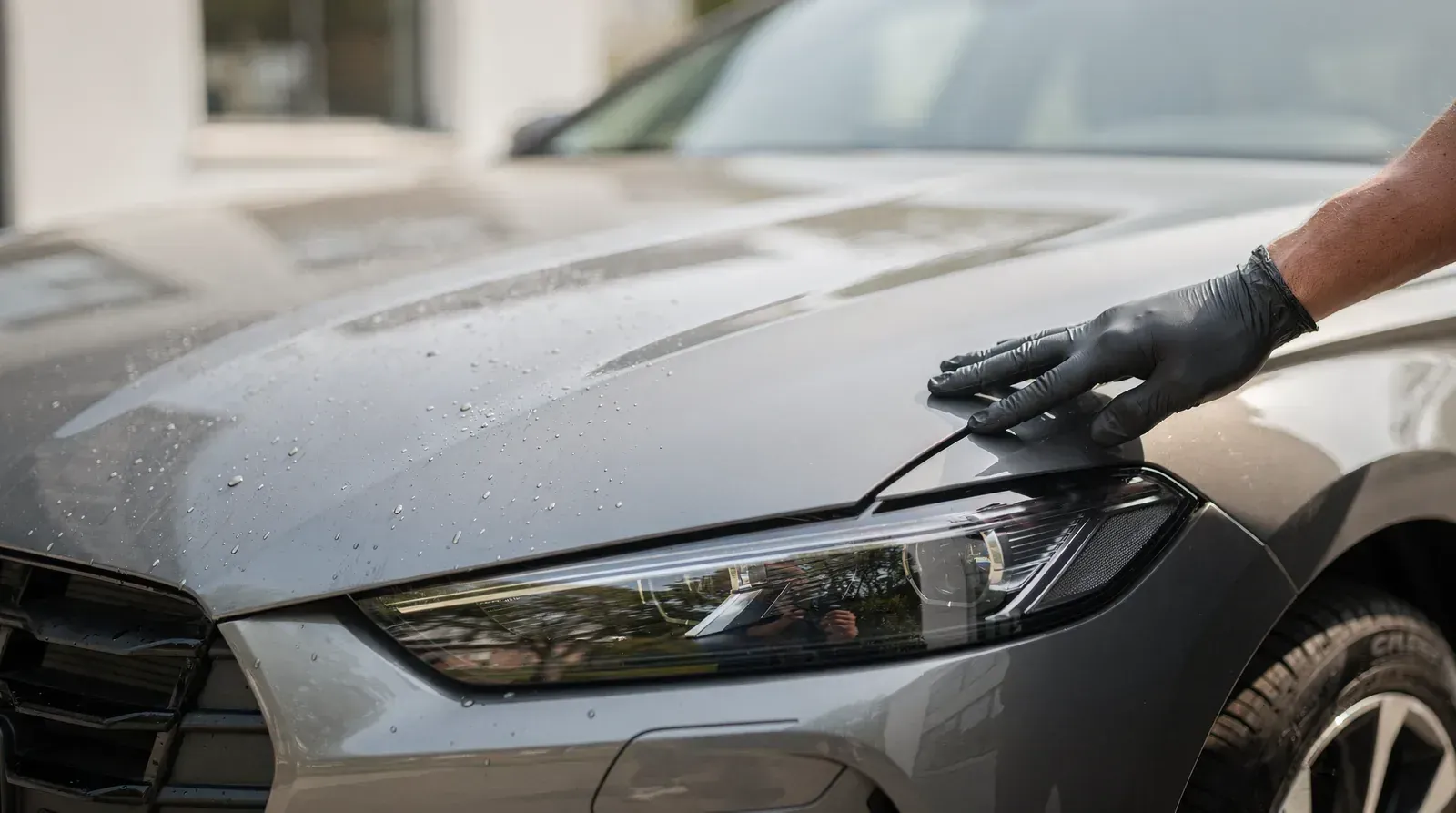
Paint protection film absorbs physical impact, stopping rock chips and scuffs before they reach factory paint. Ceramic coating works differently: it boosts gloss, resists chemical staining, and speeds up washing, but it does not cushion against debris. For Phoenix drivers battling both loose desert gravel and relentless UV exposure, the two products answer separate threats.
Highway debris on routes like the I-10 or Loop 101 can pit unprotected hoods and bumpers within a single season. Paint protection film takes that hit instead of the clear coat, flexing on impact rather than chipping.
Does Ceramic Coating Prevent Rock Chips?
No. Ceramic coating hardens the surface and repels contaminants. It lacks the thickness to absorb a flying pebble at highway speed. Its strength lies in slick, glossy finishes and easier bug and brake-dust removal, not impact resistance.
Can PPF and Ceramic Coating Work Together?
Yes, and many Phoenix owners pair them for layered defense. Film handles the chip-prone zones, while a coating applied over or alongside it sharpens gloss and simplifies maintenance.
| Concern | Best Match |
|---|---|
| Rock chips, road debris | Paint protection film |
| Gloss enhancement, chemical resistance | Ceramic coating |
| Faster washing | Ceramic coating |
| Long-term impact defense | Paint protection film |
EuroCars Detail has built its reputation as Phoenix, Arizona's leader in PPF enhancement and paint restoration work, a track record that matters when film quality determines how well a hood survives desert commutes. cite-2 The same fully-equipped Phoenix shop also handles ceramic coating packages for owners who want that extra shine and easier upkeep between washes. Choosing between them starts with identifying which threat worries an owner most: chips or dullness.
Should You Choose Ceramic Coating, PPF, or Both?
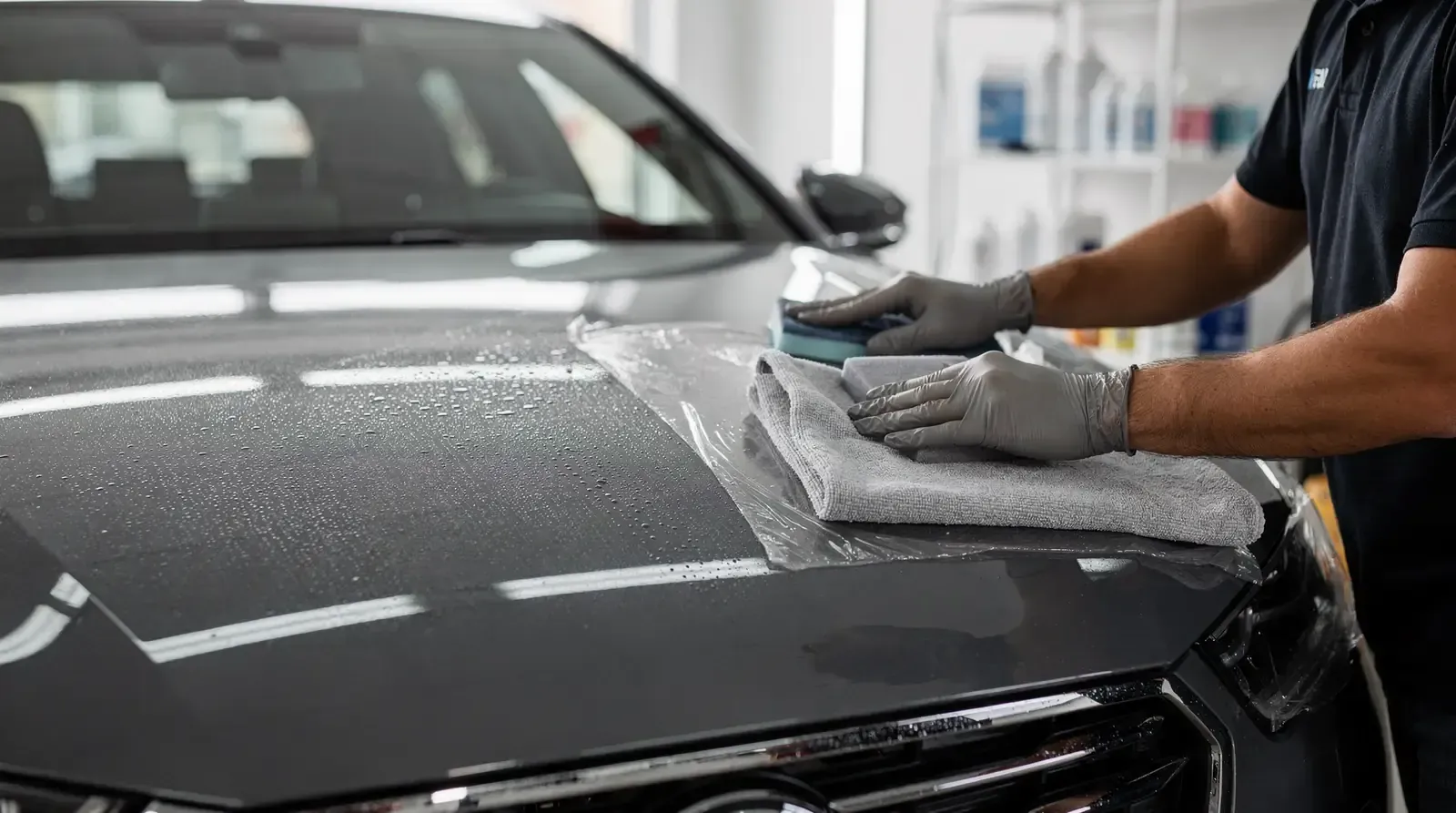
Most Phoenix vehicle owners benefit from pairing both protections rather than picking one. Ceramic coating vs paint protection film isn't really an either-or decision for daily drivers facing rock chips on the 101. Relentless UV exposure in surface streets across the Valley. Each product solves a different problem, and combining them closes the gaps either one leaves open.
Do Phoenix drivers really need both PPF and ceramic coating?
Many do, especially owners of newer or higher-value vehicles who want comprehensive coverage. Coating and film serve different purposes. In many cases they work best applied together rather than as substitutes for one another.
A layered approach typically looks like this:
- Paint protection film on high-impact zones — front bumper, hood, mirrors — to absorb rock chips and road debris.
- Ceramic coating across remaining painted surfaces for gloss retention, UV resistance, and easier washing.
- Window tinting and wheel coatings added for full-vehicle defense against Arizona's sun and grime.
Where can Phoenix owners get both services done together?
One shop location simplifies scheduling considerably. EuroCars Detail performs ceramic coating, paint protection film, window tinting, and paint correction packages entirely within its fully-equipped Phoenix facility, making combined protection plans genuinely practical rather than a logistical headache spread across multiple vendors. cite-2
That single-location setup matters more than it sounds. Owners don't need to coordinate separate appointments at separate shops or worry about mismatched warranty coverage between providers.
Loyalty to that setup shows in who shows up. Dedicated customers regularly travel in from surrounding Phoenix-area communities specifically to have coatings. Film applied, a pattern that reflects real trust in the results rather than convenience alone. cite-2 For anyone weighing chip protection against gloss and ease of maintenance, the smarter question isn't which product wins. It's how to combine them for coverage that neither one delivers alone.
FAQ
Which offers better protection against Phoenix's rock chips and gravel?
Paint protection film absorbs physical impact from rock chips and road debris on Phoenix desert highways. Self-heals light scratches, making it the top choice for high-impact areas like the hood and front bumper.
Should Phoenix drivers choose ceramic coating or PPF for sun damage?
Ceramic coating guards against UV rays, oxidation, and sun fade common in Arizona's climate while reducing water spots, making washing easier under the region's harsh sun.
Does EuroCars Detail recommend combining both treatments?
Yes, EuroCars Detail recommends PPF first for high-impact areas, then ceramic coating for overall UV and dust resistance, delivering complete defense and lasting gloss across the vehicle.
Conclusion
Ceramic coating and paint protection film each solve a distinct problem on Phoenix vehicles: film absorbs the physical impact of rock chips and road debris, while coating fights back against relentless UV exposure, oxidation, and sun fade. Rather than choosing one over the other, most Phoenix owners find the strongest, longest-lasting results come from layering both — film on high-impact zones like the hood, bumper, and mirrors, and ceramic coating across the rest of the vehicle for gloss and easier washing.
EuroCars Detail brings ceramic coating, paint protection film, window tinting, and paint correction together under one roof in Phoenix, giving owners a straightforward way to compare options and build a protection plan suited to their vehicle's exposure and value. Whichever threat matters most — chips or dullness — a combined approach keeps Arizona's climate from taking a toll on the paint.
Quick Quote Form & Package Builder
GENERAL CONTACT FORM

CONNECT WITH US
PHONE: (602) 699-5358
EMAIL: info@eurocarsdetail.com
Hours of Operation
Monday-Friday: 9:00 AM - 6:00 PM
Saturday-Sunday: By Appointment Only
Social Media
Cars, trucks, and SUVs cannot be neglected. Their overall value and function in your life must be protected, perfected, and maintained at all costs. Here at EuroCars Detail, our business is distinctly rooted in these efforts, providing all drivers of any make, model, and year vehicle with an IDA-certified automotive detailing experience!
We have a professional team of ceramic coating specialists, paint protection film installation experts, window tinting applicators, and paint correction artists, all certified in the many XPEL products that are designed to keep contamination, UV rays, and more from all aspects of your vehicle. Outside of the Phoenix, Arizona area, we also serve those who drive in Scottsdale, Paradise Valley, Glendale, Peoria, Tempe, Cave Creek, Chandler, and Gilbert, Arizona.
With the rise of different electric vehicles that now populate the streets of our service areas, we at EuroCars Detail have perfected the art of correcting and protecting Rivian and Tesla finish, ensuring that their specific type of paint not only looks its best, but is handled with care. Whatever make and model you drive, please connect with our professional automotive detailers and get your FREE quote right away!