Discover Window Tinting Differences for Luxury Vehicles
Best Window Tint for Luxury Vehicles: Exploring Options to Protect and Enhance Your Car
By Max Riganti Fulginei, EuroCars Detail
When you own a luxury vehicle, the correct window tint both refines its appearance and delivers proven protection. Quality films reduce UV exposure and reject solar heat. This guide explains the available tint types for luxury cars, highlights their benefits, and covers legal and maintenance considerations so you can make an informed choice.
The best window tint types available for luxury vehicles include:
Selecting the right tint requires understanding each film's construction and performance. Below are the leading options commonly chosen for luxury vehicles.
1. Ceramic Window Tint:
Ceramic window tint is a premium option that uses advanced ceramic particles. It can block up to 99% of harmful UV rays and provides strong heat rejection while maintaining optical clarity. Ceramic films resist fading and preserve visibility, making them a durable, long-term investment for luxury cars.
Research indicates that specialized coatings used in ceramic films play a key role in reducing solar heat gain and UV exposure in vehicles.
Coated Glass for Automotive UV & Heat Reduction
Coated glass minimizes solar heat gain and reduces UV transmission. Exposure measurements in studies used dummies fitted with dosimeters to quantify protection provided by these coatings.
Photoprotection by window glass, automobile glass, and sunglasses, HW Lim, 2006
2. Metalized Window Tint:
Metalized tint embeds metallic particles that reflect heat and UV radiation. It offers excellent heat rejection and is highly durable and scratch-resistant. Be aware that metalized films can interfere with GPS and some radio signals. The reflective finish also enhances the vehicle's visual presence.
3. Carbon Window Tint:
Carbon tint effectively blocks infrared light, helping to keep the cabin cooler. Its matte finish provides a refined aesthetic. Unlike metalized films, carbon does not disrupt electronic signals. Carbon films also deliver UV protection that supports interior longevity.
4. Hybrid Window Tint:
Hybrid tint combines dyed and metalized layers to balance cost and performance. It offers moderate heat and UV protection, reduces glare, and increases privacy. Hybrid films are a practical choice for temperate climates and owners seeking a compromise between value and capability.
5. Dyed Window Tint:
Dyed tint is the most economical option. It reduces glare and creates a non-reflective appearance but provides limited heat rejection and UV blocking compared with premium films. Dyed films suit mild climates and budget-conscious owners seeking enhanced privacy.
What Are the Different Types of Luxury Car Window Tint Films?
Luxury car tint films come in several constructions, each with specific trade-offs in heat rejection, UV protection, durability, and cost. Knowing these distinctions helps you choose the best fit.
1. Dyed Window Tinting:
Dyed tint places a dye layer between the adhesive and the protective topcoat. It is cost-effective and delivers a non-reflective look favored for style. Its heat rejection and UV protection are modest and may be insufficient in hotter regions.
2. Metalized Window Tint:
Metalized films incorporate metallic particles that reflect solar energy. They offer strong heat and UV rejection and good scratch resistance. Consider potential interference with vehicle electronics when selecting this type.
3. Hybrid Window Tint:
Hybrid films blend dyed and metal layers to achieve balanced thermal performance and a low-profile appearance. Their versatility makes them suitable across a range of climates and vehicle styles.
4. Ceramic Window Tint:
Ceramic films use ceramic particles to block UV and infrared light efficiently. They provide superior heat rejection, long-term durability, and do not interfere with electronics, making them well suited to luxury vehicles.
To further enhance your vehicle's protection, consider ceramic coating , which adds an extra layer of defence against environmental contaminants.
How Does Ceramic Tint Compare to Dyed and Metallic Options?
Ceramic tint stands apart due to its advanced materials. It can block up to 99% of harmful UV rays and rejects heat without causing signal interference. Compared with dyed and metalized films, ceramic offers superior protection and optical clarity for luxury vehicles.
What Are the Unique Features of Carbon and Ceramic-Infused Tints?
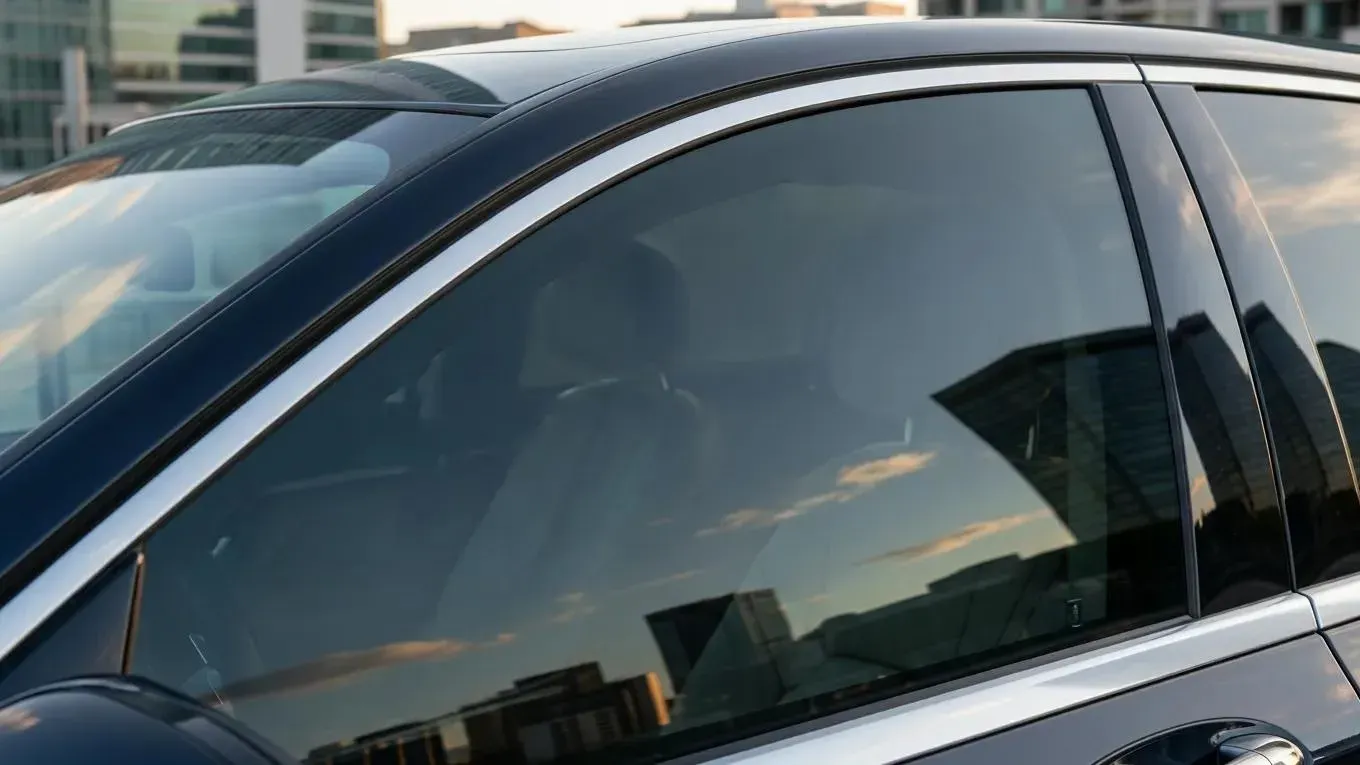
Carbon and ceramic-infused tints address different needs. Carbon targets infrared heat and provides a matte, sophisticated finish. Ceramic-infused films excel at UV and heat rejection to keep interiors cooler and protected. Both are durable and compatible with modern vehicle electronics.
What Are the Key Benefits of Window Tinting for Luxury Vehicles?
Window tinting delivers measurable benefits for luxury vehicles, improving comfort, protecting the interior, and increasing privacy.
- UV Protection : Window tint blocks harmful UV rays, protecting both passengers and the vehicle's interior from sun damage.
- Heat Reduction : Tints help maintain a cooler interior temperature, improving comfort during hot weather.
- Privacy Enhancement : Tinted windows provide increased privacy for passengers and belongings, adding an extra layer of security.
How Does Window Tint Provide Heat Rejection and UV Protection?
Tint films use reflection, absorption, or engineered coatings to limit solar energy entering the cabin. Materials such as ceramic and metalized films either reflect or absorb sunlight, reducing interior temperatures and lowering UV exposure for occupants and surfaces.
Modern vehicle designs increase glazing area, which raises solar load and driver discomfort; this trend creates demand for advanced solutions like smart windows that can vary solar transmission to improve energy efficiency and comfort.
Smart Windows for Automotive Heat & UV Protection
Increasing use of glazing on automobiles raises solar radiation throughput into the cabin, which can increase solar heat load and driver discomfort. Smart windows—whose luminous and solar transmission vary dynamically—offer potential energy-efficient solutions for vehicle glazing, and various chromogenic technologies have been proposed.
Smart windows for automobiles, 1990
In What Ways Does Tinting Enhance Privacy and Vehicle Value?
Tinting reduces visibility into the cabin, deterring opportunistic theft and protecting personal items. Well-maintained tint also signals attentive ownership, which can support resale value. The improved aesthetic further contributes to the vehicle's market appeal.
Research supports that enhanced privacy is a primary benefit of window tinting, making interiors less visible to outsiders.
Window Tinting for Enhanced Vehicle Privacy
Tinting prevents outsiders from easily viewing a vehicle's interior, providing valued privacy. The emphasis on window tinting often balances privacy with visibility considerations.
Factors Influencing the Dark Glass Usage in Motorcars: A Mini Review, SASZ Abidin, 2025
What Are the Legal Considerations for Window Tinting in Arizona?
Arizona law sets allowable limits for tint darkness and reflectivity on different windows to preserve visibility and safety. Compliance is essential to avoid fines and keep your vehicle street-legal.
How to Ensure Compliance While Maximizing Tint Benefits?
To comply with Arizona regulations while maximizing tint performance, follow proven guidelines and select films that meet local legal limits.
- Choose the Right Tint : Select a tint that meets legal requirements for darkness and reflectivity.
- Professional Installation : Have your tint installed by a professional to ensure it adheres to regulations and performs optimally.
- Regular Maintenance : Keep your tint clean and well-maintained to prolong its lifespan and effectiveness.
How Is Window Tinting Installed and What Is the Typical Cost for Luxury Vehicles?
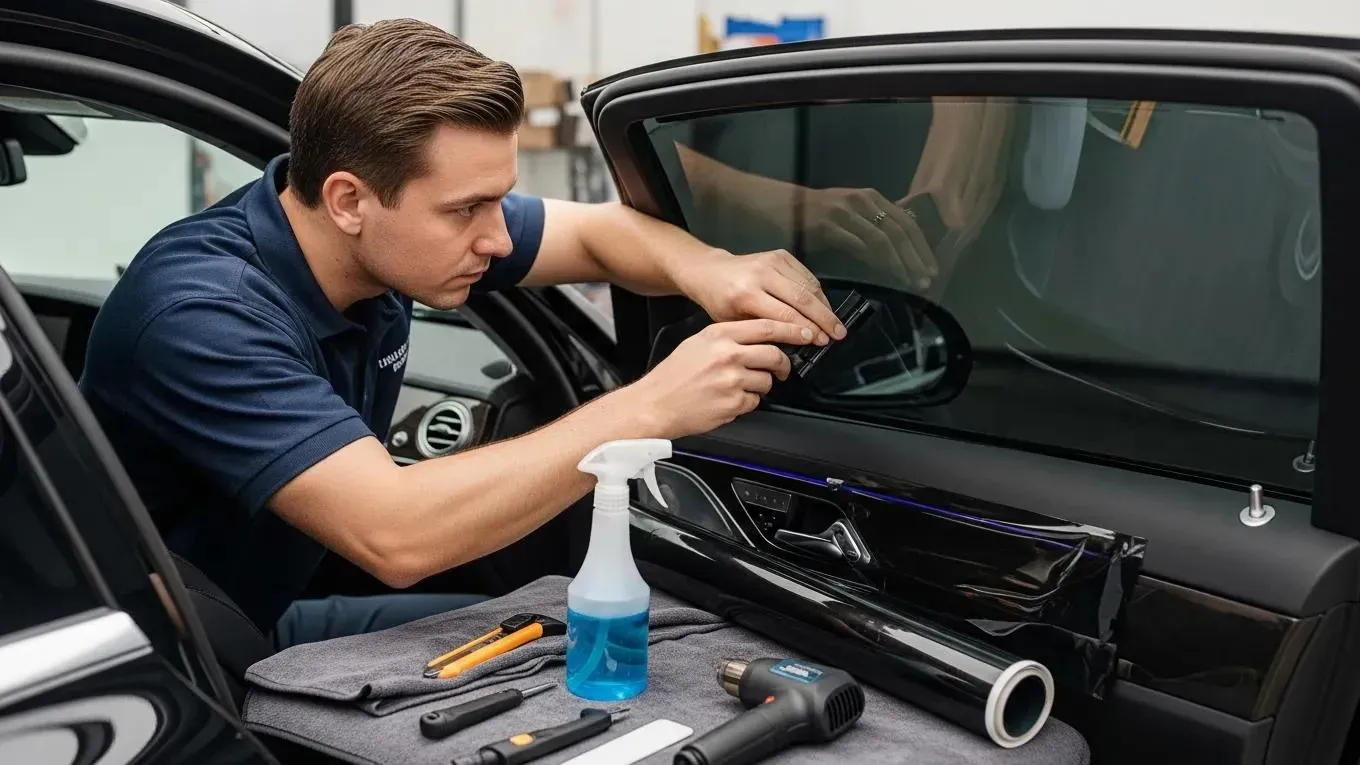
Installation includes cleaning the glass, measuring and cutting the film, and applying it precisely to avoid bubbles or imperfections. Typical package prices range from about $100 for basic services to over $600 for extensive coverage, depending on film quality and vehicle type. This investment enhances comfort and appearance.
What Does the Professional Installation Process Involve?
Professional installation begins with a thorough clean, precise measurements, and careful application using specialist tools. Trained technicians ensure proper adhesion and a bubble-free finish so the film performs reliably and lasts.
How Do Costs Vary by Tint Type and Vehicle Specifications?
Costs vary by film technology and vehicle specifics. Premium ceramic and carbon films command higher prices due to advanced materials and performance. Larger vehicles or complex window shapes increase labour and material requirements. Understanding these variables helps you budget accurately.
How Should You Maintain and Maximize the Longevity of Your Window Tint?
To prolong tint life, follow straightforward maintenance practices that preserve appearance and performance.
- Avoid Harsh Cleaners : Use gentle, non-abrasive cleaners to avoid damaging the tint.
- Regular Inspections : Check for any signs of peeling or bubbling and address them promptly.
- Limit Sun Exposure : Whenever possible, park in shaded areas to reduce sun exposure and prolong the life of the tint.
What Are Best Practices for Caring for Ceramic and Other Tint Films?
Care for ceramic and other films with soft, lint-free cloths and mild cleaners to avoid scratches. Avoid prolonged exposure to extreme heat that can affect adhesives. Always follow the manufacturer’s care instructions for optimal results.
How Does Maintenance Affect Warranty and Performance?
Proper maintenance influences warranty validity and long-term performance. Many warranties cover defects or fading but require correct installation and ongoing care. Failure to follow care guidelines can void coverage, so keep records and adhere to manufacturer recommendations.
How Does Window Tinting Integrate with Other Protective Services for Luxury Cars?
Window tinting works well alongside other protective services such as ceramic coating . Combined, these services reduce UV and heat exposure and shield surfaces from environmental contaminants, extending the vehicle's appearance and durability.
What Are the Benefits of Combining Tinting with Ceramic Coating?
Combining tint and ceramic coating delivers complementary protection: enhanced defence against UV and heat, improved surface durability, and a more refined overall appearance. When applied together, they can be a cost-effective strategy to protect a luxury vehicle.
How Do These Services Together Enhance Vehicle Protection and Appearance?
Together, window tinting and ceramic coating protect interiors from UV damage, reduce cabin heat, and shield the exterior from contaminants. This dual approach preserves aesthetics and helps maintain the vehicle's value over time.
Frequently Asked Questions
What factors should I consider when choosing window tint for my luxury vehicle?
Consider tint type (ceramic, metalized, carbon, hybrid, or dyed), the level of UV protection and heat rejection, any potential interference with electronics, aesthetic fit with your vehicle, local legal limits on tint darkness, and the quality of installation and maintenance requirements.
How can I determine the best window tint for my climate?
In hot climates, choose ceramic or carbon films for superior heat rejection. In milder climates, hybrid or dyed films may provide adequate protection. Factor in average temperature, sun exposure, and humidity when selecting a film.
What are the potential downsides of using dyed window tint?
Dyed tint is affordable but offers limited heat and UV protection and can fade over time. It provides less privacy and glare reduction than metalized or ceramic films. If you prioritise performance and longevity, consider higher-grade options.
How does window tinting affect insurance rates for luxury vehicles?
Tinting can affect insurance depending on the insurer and region. Some companies may offer discounts for added interior protection, while illegal or noncompliant tint can complicate claims or premiums. Check with your insurer before installing tint.
Can I remove window tint myself, or should I hire a professional?
DIY removal is possible but risks glass damage and stubborn adhesive residue. Professional removal uses appropriate tools and techniques to protect the glass and finish. For best results, hire a trained technician.
What maintenance is required for window tint to ensure its longevity?
Maintain tint with gentle, non-abrasive cleaners and soft cloths. Avoid harsh chemicals. Inspect regularly for peeling or bubbling and address issues promptly. Parking in shade reduces UV exposure and extends the film's life.
Are there any warranties available for window tint products?
Many manufacturers provide warranties covering defects, fading, and peeling, ranging from limited terms to lifetime coverage depending on the product. Warranties typically require correct installation and maintenance. Review warranty details before purchase to protect your investment.
Conclusion
Choosing the right window tint enhances appearance while delivering UV protection and heat reduction. Understand the options, prioritise professional installation for legal compliance and longevity, and consider pairing tint with ceramic coating for added defence. Explore our range of premium window tint solutions today to elevate your driving experience.
Quick Quote Form & Package Builder
GENERAL CONTACT FORM

CONNECT WITH US
PHONE: (602) 699-5358
EMAIL: info@eurocarsdetail.com
Hours of Operation
Monday-Friday: 9:00 AM - 6:00 PM
Saturday-Sunday: By Appointment Only
Social Media
Cars, trucks, and SUVs cannot be neglected. Their overall value and function in your life must be protected, perfected, and maintained at all costs. Here at EuroCars Detail, our business is distinctly rooted in these efforts, providing all drivers of any make, model, and year vehicle with an IDA-certified automotive detailing experience!
We have a professional team of ceramic coating specialists, paint protection film installation experts, window tinting applicators, and paint correction artists, all certified in the many XPEL products that are designed to keep contamination, UV rays, and more from all aspects of your vehicle. Outside of the Phoenix, Arizona area, we also serve those who drive in Scottsdale, Paradise Valley, Glendale, Peoria, Tempe, Cave Creek, Chandler, and Gilbert, Arizona.
With the rise of different electric vehicles that now populate the streets of our service areas, we at EuroCars Detail have perfected the art of correcting and protecting Rivian and Tesla finish, ensuring that their specific type of paint not only looks its best, but is handled with care. Whatever make and model you drive, please connect with our professional automotive detailers and get your FREE quote right away!