Explore the Benefits of Paint Protection Film in Phoenix, Arizona
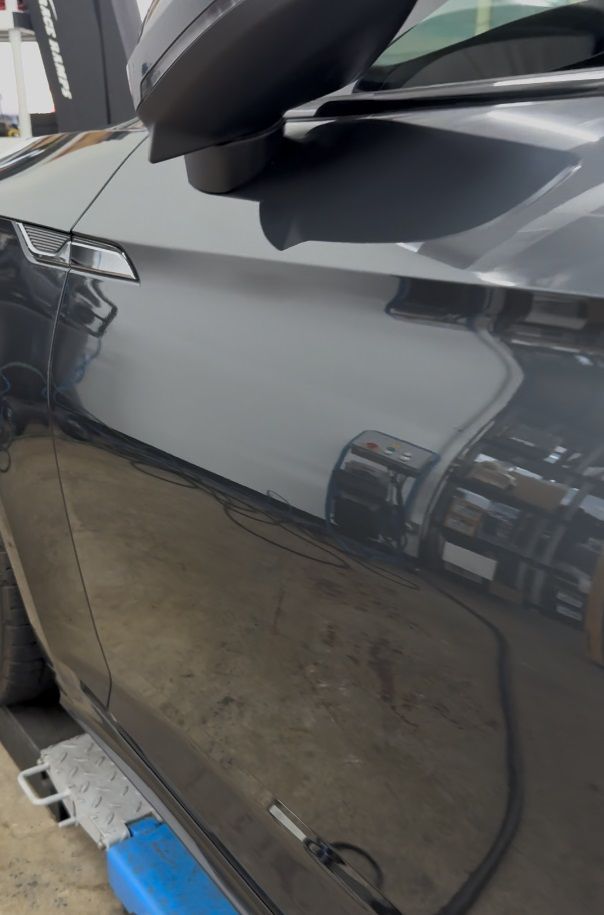
Paint protection film shields Phoenix vehicles from intense UV rays, blistering heat, and abrasive desert debris that rapidly degrade factory paint. EuroCars Detail, an IDA-certified studio, installs self-healing XPEL films that absorb impacts from gravel and bug splatter while preventing sun-induced fading and oxidation.
What is paint protection film?
Paint protection film is a transparent thermoplastic polyurethane layer applied directly to a vehicle's painted surfaces. This durable material, often called a clear bra, forms an invisible shield that preserves factory paint from everyday hazards. The film creates a physical barrier that absorbs rock chips, scratches, road debris, and UV radiation before they reach the paint. Without this protection, Phoenix drivers risk permanent etching from airborne sand and relentless sun exposure that degrades clear coat within a single Arizona summer.
The technology behind modern PPF traces back to an unexpected origin. The U.S. military developed the first version in the 1960s to protect helicopter rotor blades from sand and debris erosion during flight operations. Over five decades of refinement transformed that military technology into the virtually invisible, self-healing automotive film available today. Phoenix vehicle owners benefit directly from this evolution, as the film's self-healing properties allow minor swirl marks and light scratches to disappear with heat exposure. A parked car in a Scottsdale lot on a 105-degree afternoon activates this recovery process without any intervention.
How does paint protection film defend against Arizona driving conditions?
Arizona roads present a triple threat: intense UV radiation, windblown sand, and loose gravel. PPF absorbs the impact of these particles before they chip the paint. The film's UV-blocking layer prevents the oxidation and fading that plague unprotected vehicles in the Valley of the Sun.
Is paint protection film visible after installation?
Modern PPF is virtually invisible when professionally installed. The film conforms to body panels without altering the vehicle's appearance. Only upon close inspection does the protective edge become detectable, and skilled installers wrap edges wherever possible for a seamless result. For a deeper look at how PPF composition and installation protect Phoenix vehicles, explore the key benefits of paint protection film in desert environments.
How does Phoenix's climate damage car paint?
Phoenix sun exposure and airborne debris create relentless paint degradation. Vehicle finishes in this desert environment face hazards that accelerate wear far beyond what owners in milder regions experience.
Owners of high-value vehicles in Phoenix face distinctive maintenance challenges due to intense sun and environmental exposure. Ultraviolet radiation bombards clear coat layers daily, breaking down the chemical bonds that keep paint glossy and resilient. Without intervention, factory finishes oxidize, fade, and lose their depth within a few short years.
How does intense UV radiation affect automotive paint?
Phoenix records some of the highest UV index readings in the United States. That constant bombardment penetrates clear coat and attacks the pigment layer beneath. Oxidation turns deep colors chalky and dull. Clear coat begins peeling away from underlying paint once the molecular structure degrades past a critical threshold. The damage compounds month after month under cloudless Arizona skies.
What other environmental threats exist in the Phoenix area?
Beyond sunlight, airborne sand and gravel scour front fascias and hoods during highway driving. Bird droppings etch into warm paint within hours, their acidic composition leaving permanent marks. Road debris kicks up from construction zones and unpaved desert roads, peppering panels with chips that expose bare metal. Paint protection film provides a strong barrier between a vehicle's paint and the elements, absorbing these impacts before they reach the factory finish.
The cumulative effect strips away both appearance and resale value. Understanding how PPF defends against UV damage, road debris, and other hazards helps ensure a luxury car retains its appearance and value. A clear, nearly invisible film applied to painted surfaces protects against sun damage, bird droppings, and road debris without altering the vehicle's look. For Phoenix drivers evaluating long-term preservation strategies, paint protection film in Phoenix offers a proven defense against conditions that punish automotive finishes year-round.
What are the key benefits of paint protection film Arizona?
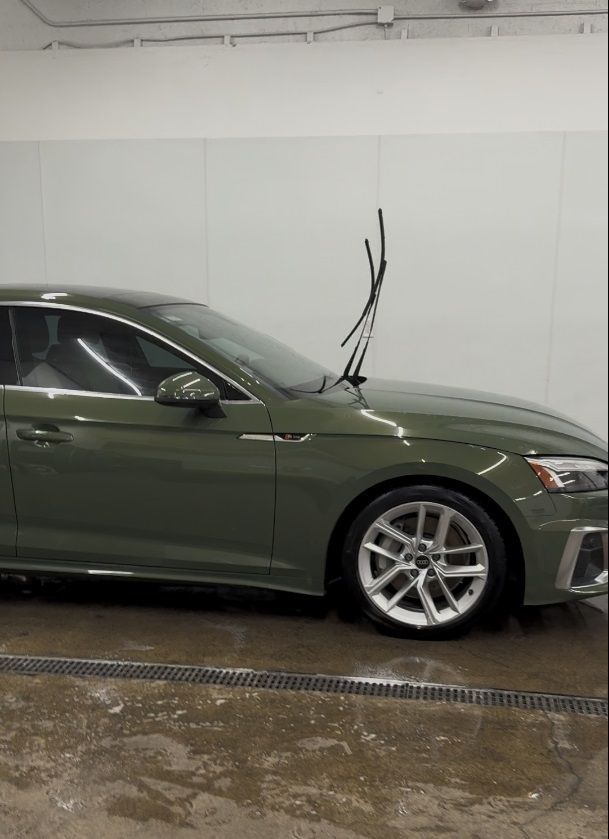
Paint protection film delivers measurable defense against Phoenix's punishing desert environment. The benefits of paint protection film Arizona center on preserving factory paint from sun damage, road debris, and everyday surface wear. A clear, nearly invisible thermoplastic polyurethane layer absorbs impacts before they reach the vehicle's finish.
How does PPF protect against Phoenix sun damage?
Phoenix sunlight accelerates paint oxidation and clear coat failure faster than most climates. Paint protection film creates a physical barrier that blocks UV radiation and environmental contaminants. Sun damage, bird droppings, and airborne grit never touch the underlying paint. The film takes the abuse while the factory finish stays intact.
What types of surface damage does PPF prevent?
The film is engineered to be scratch-resistant. Minor scratches and scuffs from daily driving, car washes, and incidental contact do not penetrate the protective layer. Panels most susceptible to light scratches, swirls, etching, marring, and stains receive continuous shielding. Self-healing capabilities allow the film to recover from light surface marks when exposed to heat, a property that suits Phoenix's warm climate.
Is paint protection film cost-effective for Phoenix drivers?
Paint protection film offers a cost-effective solution for preserving a vehicle's paintwork. Repainting a hood or front bumper after years of rock chips and UV damage costs more than proactive film installation. The film secures vulnerable panels and maintains the vehicle's appearance over time. For Phoenix owners who drive daily on highways and desert roads, the protection prevents cumulative damage that erodes resale value.
Key protective functions include:
- Blocking sun damage and UV exposure
- Resisting minor scratches and scuffs
- Shielding against bird droppings and road debris
- Providing self-healing recovery from light surface marks
- Securing panels prone to swirls, etching, and marring
The film works diligently across the vehicle's most exposed surfaces. Phoenix drivers gain durable protection without altering the paint's appearance.
How does self-healing PPF work in desert heat?
Self-healing paint protection film repairs light surface damage through heat activation. Phoenix summer temperatures accelerate this process, making the Benefits of Paint Protection Film Arizona particularly pronounced in desert driving conditions.
The film's self-healing mechanism relies on an elastomeric polymer topcoat. When a scratch or swirl mark disrupts the surface, the polymer chains temporarily separate. Heat energy, whether from direct Phoenix sunlight or a warm engine bay, restores those molecular bonds. The material flows back into its original smooth form, erasing the visible defect. Over five decades of refinement transformed military helicopter blade protection into the virtually invisible, self-healing automotive film available today, according to the Complete PPF Guide.
What types of damage does self-healing PPF repair?
The film addresses light scratches, swirl marks, etching, marring, and stains. These protective films work diligently at securing the panels most susceptible to surface defects. Phoenix drivers encounter all of these hazards daily. Road grit kicked up on the Loop 101 leaves fine scratches. Automated car washes, common in the metro area, create swirl patterns. Bird droppings and tree sap etch into clear coats within hours under 110-degree sun.
Does Phoenix heat speed up the self-healing process?
Yes. The reaction is temperature-dependent. A minor scratch that might take an hour to vanish in mild weather disappears in minutes on a Phoenix summer afternoon. The film's polymer structure responds directly to thermal energy. Parked vehicles absorb enough heat to trigger healing without any additional effort. This passive repair cycle continues for the life of the film.
Paint protection film also provides a strong barrier between the vehicle's paint and the elements. Sun damage, bird droppings, and other environmental factors never reach the factory finish. The film absorbs the impact and the contamination. Then the desert heat erases the evidence.
Does PPF improve resale value for Phoenix cars?
Paint protection film directly improves resale value for Phoenix vehicles by preserving factory paint against intense desert conditions. A car with flawless original paint commands higher offers than one needing costly repaint work.
Paint Protection Film (PPF), also called clear bra, is a transparent thermoplastic polyurethane layer applied to painted surfaces. The film absorbs impact from rock chips, scratches, and UV radiation before they reach the clear coat. In Phoenix, relentless sun exposure accelerates paint oxidation. Vehicles without protection develop fading, peeling, and etching within a few years. These defects slash trade-in and private-party values because buyers and dealers factor repainting costs into their offers.
PPF defends against UV damage, a key factor in preserving a vehicle's finish over time. Phoenix summer UV indexes routinely exceed 10, baking unprotected paint daily. The film blocks ultraviolet rays and prevents clear coat breakdown. This protection keeps the color depth and gloss intact across years of ownership.
The film also shields against road debris common on Phoenix highways. Gravel trucks, construction zones, and loose asphalt create constant impact risks along the I-10 and Loop 101 corridors. Without PPF, front bumpers and hoods accumulate chips that rust and spread.
What do Phoenix buyers look for during resale inspections?
Buyers inspect hoods, fenders, and mirror caps first. Chipped paint signals neglect and triggers negotiation downward. PPF preserves those high-impact panels in showroom condition.
How much does paint condition affect trade-in value?
Dealers routinely deduct hundreds to thousands for visible paint damage. Original paint maintained under PPF eliminates those deductions entirely. A luxury car with documented film coverage sells faster and closer to asking price.
Protecting against common surface defects saves owners time and money long before resale. PPF prevents etching from bird droppings, bug splatter, and hard water spots. Each avoided paint correction session represents hundreds in savings. When the time comes to sell, the vehicle's preserved finish becomes a tangible selling advantage rather than a liability that costs negotiating leverage.
FAQ
How does paint protection film protect against Phoenix's intense sun?
The film's UV-blocking layer prevents oxidation and fading that plague unprotected vehicles in the Valley of the Sun.
Is paint protection film noticeable after installation?
Modern PPF is virtually invisible when professionally installed, conforming to body panels without altering the vehicle's appearance.
What makes XPEL film ideal for Arizona's desert conditions?
EuroCars Detail installs self-healing XPEL films that absorb impacts from gravel and bug splatter while preventing sun-induced fading and oxidation.
Conclusion
For Phoenix drivers, paint protection film delivers a practical return by preserving factory paint against sun exposure, road debris, and daily wear. The self-healing technology leverages the desert heat to erase light damage automatically, keeping high-impact panels in showroom condition. Owners who invest in PPF protect their vehicle’s appearance and resale value without altering its look. The next step is scheduling a consultation to discuss coverage options tailored to your driving habits.
Quick Quote Form & Package Builder
GENERAL CONTACT FORM

CONNECT WITH US
PHONE: (602) 699-5358
EMAIL: info@eurocarsdetail.com
Hours of Operation
Monday-Friday: 9:00 AM - 6:00 PM
Saturday-Sunday: By Appointment Only
Social Media
Cars, trucks, and SUVs cannot be neglected. Their overall value and function in your life must be protected, perfected, and maintained at all costs. Here at EuroCars Detail, our business is distinctly rooted in these efforts, providing all drivers of any make, model, and year vehicle with an IDA-certified automotive detailing experience!
We have a professional team of ceramic coating specialists, paint protection film installation experts, window tinting applicators, and paint correction artists, all certified in the many XPEL products that are designed to keep contamination, UV rays, and more from all aspects of your vehicle. Outside of the Phoenix, Arizona area, we also serve those who drive in Scottsdale, Paradise Valley, Glendale, Peoria, Tempe, Cave Creek, Chandler, and Gilbert, Arizona.
With the rise of different electric vehicles that now populate the streets of our service areas, we at EuroCars Detail have perfected the art of correcting and protecting Rivian and Tesla finish, ensuring that their specific type of paint not only looks its best, but is handled with care. Whatever make and model you drive, please connect with our professional automotive detailers and get your FREE quote right away!