Protect Your Car: Ceramic Coating or Paint Protection Film?
Ceramic Coating vs. Paint Protection Film: Expert Guide to Long-Term Vehicle Paint Care Benefits and Choices
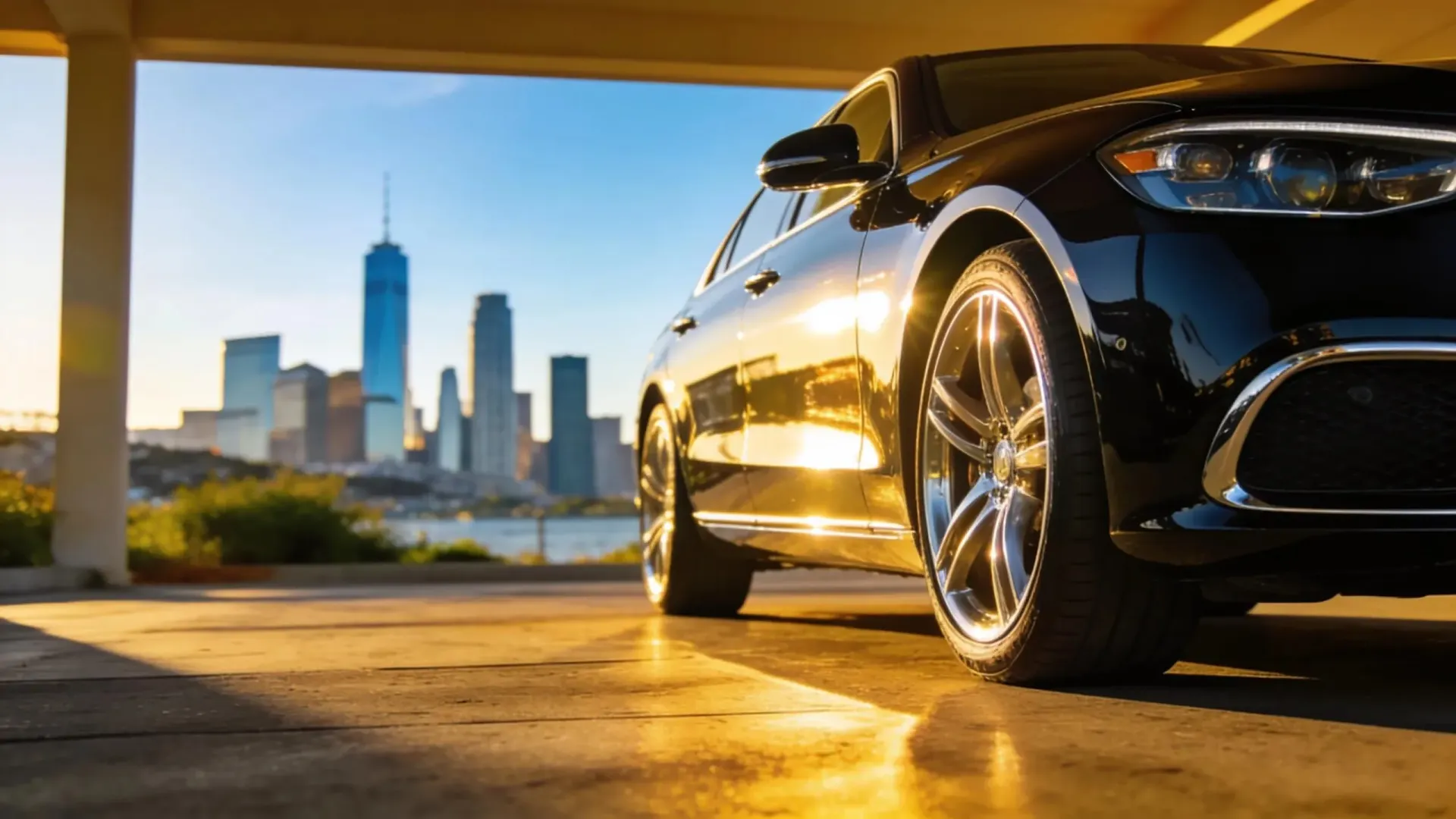
Choosing between ceramic coating and paint protection film (PPF) requires a clear understanding of their distinct benefits and limitations. Each option delivers specific protection; vehicle owners should evaluate performance, longevity and maintenance. This guide explains ceramic coating and PPF to support an informed, long-term decision for paint care.
Ceramic coating is a liquid polymer that chemically bonds to paint, forming a protective layer that resists contaminants, UV exposure and minor scratches. Paint protection film is a clear, durable film that shields paint from chips, scratches and physical impact. Below we compare benefits, application considerations, durability, cost and effectiveness for preserving your vehicle’s finish.
Ceramic Coating
Ceramic coating forms a durable chemical bond with the paint, increasing resistance to environmental threats. It is formulated to endure daily driving—repelling dirt, bird droppings, tree sap and UV radiation—while enhancing appearance and extending the life of the finish.
Ceramic coating technology is applied across industries to protect structural materials from extreme conditions, including high-temperature degradation, corrosion, erosion and wear.
Ceramic Coating Technology: Protection Against Environmental Hostility
Modern systems require reliable performance under adverse conditions, so protecting structural materials is essential. Ceramic coating technology has been adopted across diverse industries to reduce high-temperature degradation, corrosion, erosion and wear.Ceramic coating technology, 1988
Benefits of Ceramic Coating
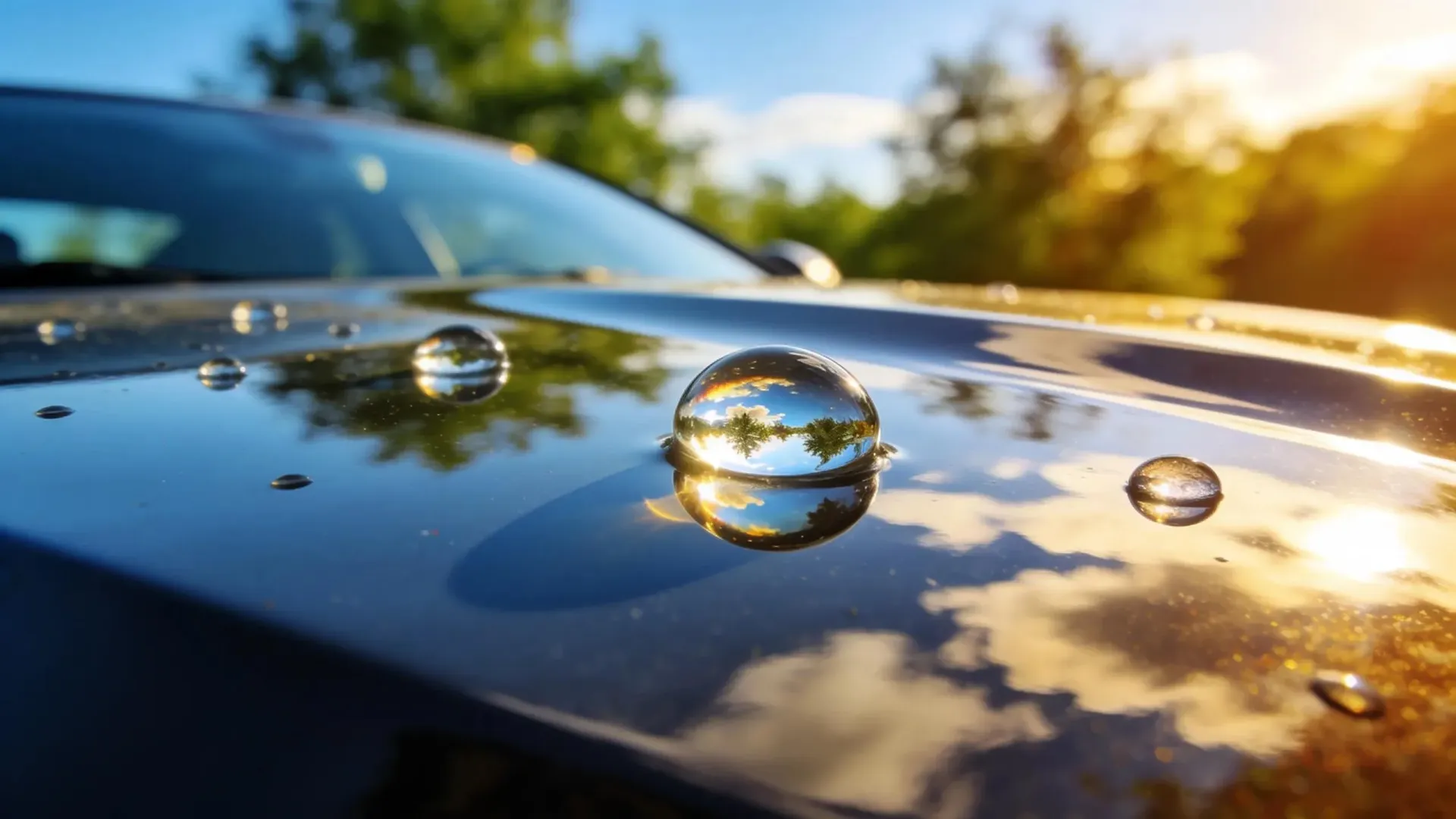
Ceramic coatings deliver measurable advantages for vehicle owners, including:
- Long-lasting protection: Ceramic coatings can remain effective for several years, offering greater durability than traditional waxes or sealants.
- Hydrophobic properties: The treated surface repels water, simplifying cleaning and routine maintenance.
- Enhanced aesthetics: Coatings increase gloss and depth of colour, improving the vehicle’s visual presentation.
For professional detailing of luxury and high-value vehicles in Phoenix, AZ, EuroCars Detail specializes in premium automotive care tailored to exacting standards.
Considerations for Ceramic Coating
Before selecting ceramic coating, review these factors:
- Application process requirements: Professional application is recommended to ensure optimal bonding and finish.
- Maintenance needs: Coatings reduce cleaning frequency but require specific upkeep to maintain performance.
- Cost implications: Initial cost can exceed traditional waxing, but the long-term protection often delivers greater value.
Paint Protection Film (PPF)
Paint protection film (PPF) is a transparent film engineered to protect paint from physical damage such as chips and scratches. It creates a soft, impact-absorbing surface that can self-heal minor abrasions, maintaining the underlying finish.
Modern paint protection methods are widely used to counteract road debris, contaminants and wash-related damage that accelerate paint deterioration. Protective polishes offer low-cost options, while armour plate—an approximately 100-micron transparent film—provides high-level protection to minimise environmental impact and extend a vehicle’s appearance.
Modern Car Paint Protection: Films and Polishes for Long-Term Vehicle Care
Modern methods of protecting a car’s varnish have become widespread. Road particles, dust, winter reagents and aggressive wash systems damage paint, leading to corrosion and loss of appearance. Protective polishes based on wax or synthetic compounds spread due to low cost and ease of application. Market-leading protection is armour plate: a transparent film roughly 100 microns thick that offers maximum protection. Using modern protective products helps minimise environmental impact and prolong a car’s aesthetic life.Analysis of methods of assessing the quality of protective paint car coatings, 2018
Benefits of Paint Protection Film
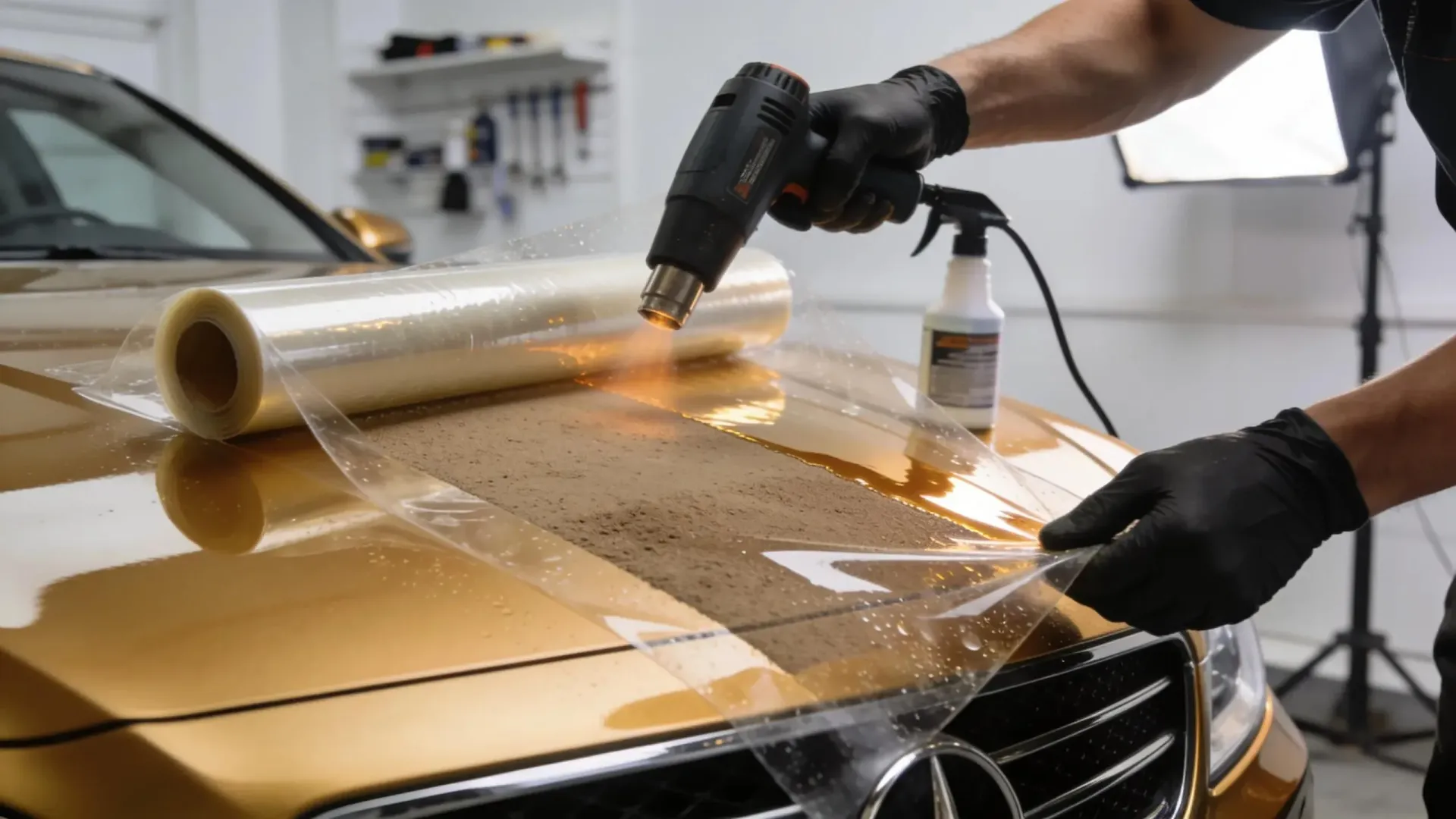
PPF delivers the following benefits:
- Superior scratch and chip resistance: The film absorbs impact energy to protect the paint beneath.
- Self-healing properties: Minor scratches can diminish with heat, restoring the film’s appearance.
- Comprehensive coverage: PPF can protect large, high-impact areas such as the hood, fenders and bumpers.
EuroCars Detail’s paint protection film application helps preserve the pristine condition of luxury vehicles by adding this protective layer.
Considerations for Paint Protection Film
When evaluating PPF, consider the following:
- Installation requirements: Correct installation is essential and typically requires professional expertise.
- Cost and durability: PPF pricing varies; replacements may be needed over time depending on exposure and wear.
- Aesthetic considerations: High-quality films are virtually invisible; lower-quality options can alter appearance.
Comparative Analysis
Below is a comparative analysis of ceramic coating and paint protection film to assist assessment.
| Feature | Ceramic Coating | Paint Protection Film |
|---|---|---|
| Protection Type | Chemical barrier against contaminants | Physical barrier against impacts |
| Durability | Lasts several years | Varies, may need replacement after years |
| Maintenance | Requires regular wash and upkeep | Requires minimal maintenance |
| Self-Healing | No | Yes |
| Cost | Higher initial cost | Mid-range cost, varies by installation |
Both methods provide effective protection but address different priorities in vehicle care—choose based on your protection goals and usage patterns.
Your decision between ceramic coating and PPF depends on your priorities. Ceramic coatings favour long-term surface protection and aesthetic enhancement; PPF is optimal where physical impact resistance is paramount. Professional application improves outcomes, and combining both methods can deliver comprehensive protection. Consult specialists like EuroCars Detail for recommendations tailored to your vehicle.
What Is Ceramic Coating and How Does It Protect Vehicle Paint?
Ceramic coating is a premium protective layer that bonds to the clear coat, strengthening its defensive properties. The bonded coating produces a hydrophobic surface that repels water and dirt, reducing wash frequency and helping preserve gloss and clarity.
Key Benefits of Ceramic Coating for Luxury and Sports Cars
Luxury and sports cars benefit from ceramic coatings’ resistance to UV, chemicals and contaminants that harm paint. Over time coatings help maintain the vehicle’s appearance and support resale value through easier cleaning and sustained finish quality.
Application Process and Hydrophobic Technology Explained
Application begins with thorough cleaning, paint correction and decontamination. The coating is then applied in a controlled environment to ensure correct bonding and performance. The result is a reliable hydrophobic layer that causes water to bead and roll off the surface.
What Are the Features and Durability of Paint Protection Film?
PPF uses a clear, self-healing polyurethane designed to absorb impact and protect against chips and scratches. It performs well in high-traffic zones and, through self-healing properties, restores minor blemishes under heat to extend usable life.
Physical Scratch Resistance and Long-Term Protection Attributes
PPF’s physical scratch resistance is a key advantage. The durable layer defends against rock chips and nicks, helping maintain the vehicle’s value. With proper care and professional installation, PPF can provide effective protection for multiple years.
Installation Procedure and Warranty Coverage Overview
PPF installation requires precision and is best handled by experienced technicians. Many high-quality films include warranty coverage against defects and yellowing, offering owners additional assurance of longevity.
How Do Ceramic Coating and Paint Protection Film Compare for Long-Term Car Paint Care?
Compare their roles: ceramic coatings form a chemical barrier and enhance gloss, while PPF provides a physical shield against abrasions and impacts. The optimal choice aligns with the type of protection you prioritise.
Durability, Cost, and Maintenance Differences Between Ceramic Coating and PPF
Ceramic coatings offer durable finish protection and can carry a higher initial cost. PPF may present lower upfront pricing in some cases but still requires appropriate care. Owners should evaluate costs relative to expected benefits and longevity.
Which Option Is Better for Phoenix’s Climate and Environmental Conditions?
Phoenix’s intense UV exposure accelerates paint fading. Ceramic coatings offer UV resistance that helps protect finishes, while PPF adds physical defence against dust and debris common in arid environments.
Can Ceramic Coating and Paint Protection Film Be Used Together for Enhanced Vehicle Protection?
Yes. Applying PPF to impact-prone areas and layering ceramic coating over exposed surfaces provides complementary protection: film for impact resistance and coating for hydrophobic performance and finish enhancement.
Advantages of Combined Application on Vehicle Paint Longevity
A combined approach increases resilience to diverse environmental stresses, extends finish life and helps maintain appearance and resale value by addressing both chemical and physical threats.
Recommended Procedures and Expert Technician Insights
Technicians recommend selecting reputable products and professional installation to ensure correct application. Regular inspections and routine maintenance preserve performance and prolong the effective life of both protections.
For specialised automotive care and meticulous application, consider the services of EuroCars Detail, where professional expertise supports precise protection.
What Are the Cost Considerations and Value Assessments of Ceramic Coating vs. PPF?
Costs vary by vehicle size and service provider. Assess long-term value: a single investment in one or both protections can help preserve appearance and maintain resale value.
Comparing Initial Investment and Long-Term Maintenance Expenses
Ceramic coatings often have a higher initial cost but can deliver long-term benefits. Owners should balance budget against the value they place on maintained appearance and reduced upkeep.
How Protection Quality Impacts Vehicle Resale Value
Higher-quality protection preserves finish condition and can support stronger resale returns by maintaining visual appeal and reducing visible wear.
How to Choose the Right Paint Protection Option for Your Vehicle?
Decide based on vehicle condition, driving patterns and exposure. Consider how often you drive, typical road conditions and appearance priorities to select the most appropriate protection strategy.
Factors to Consider for Luxury and Sports Car Owners in Phoenix
Owners of luxury and sports cars in Phoenix should prioritise protection that resists extreme heat and UV exposure while preserving finish and performance. The right solution will protect value and appearance over time.
Frequently Asked Questions
What are the differences in maintenance requirements for ceramic coating and paint protection film?
Ceramic coatings require regular washing and targeted maintenance to preserve hydrophobic properties and finish. PPF is generally easier to manage but should be inspected for wear and damage. Match the upkeep requirements to your driving routine and maintenance tolerance.
Can ceramic coating and paint protection film be applied on any vehicle type?
Both ceramic coating and PPF are suitable for cars, trucks and SUVs. The preferred solution depends on vehicle use, parking conditions and owner priorities. A professional assessment will identify the best option for a specific vehicle.
How long does each protective option typically last?
Ceramic coatings commonly last two to five years, depending on product quality and maintenance. PPF typically endures three to seven years, influenced by environmental exposure and installation quality. Professional application and proper upkeep extend effective service life.
Are there environmental concerns associated with ceramic coating or paint protection film?
Environmental impacts differ. Some ceramic coatings contain chemicals that require proper handling and disposal. PPF is often manufactured from recyclable materials, which can reduce end-of-life impact. Select eco-conscious products and follow disposal guidelines to minimise environmental risk.
Can PPF be removed and reinstalled without damaging the paint?
PPF can be removed without damaging underlying paint when removal is performed by a qualified professional using specialised techniques and tools. After removal, a new film can be applied. Professional handling reduces the risk of paint damage.
What factors should I consider when deciding on the installation location for ceramic coating or PPF?
Installations should occur in a clean, controlled, temperature-regulated environment to ensure optimal bonding and finish quality. Adequate space and dust control are essential for professional results.
Conclusion
Choosing between ceramic coating and paint protection film depends on your protection priorities. Both options preserve appearance and value when applied and maintained correctly. Consult professionals such as EuroCars Detail for tailored recommendations that match your vehicle and driving conditions, and protect your investment for the long term.
Quick Quote Form & Package Builder
GENERAL CONTACT FORM

CONNECT WITH US
PHONE: (602) 699-5358
EMAIL: info@eurocarsdetail.com
Hours of Operation
Monday-Friday: 9:00 AM - 6:00 PM
Saturday-Sunday: By Appointment Only
Social Media
Cars, trucks, and SUVs cannot be neglected. Their overall value and function in your life must be protected, perfected, and maintained at all costs. Here at EuroCars Detail, our business is distinctly rooted in these efforts, providing all drivers of any make, model, and year vehicle with an IDA-certified automotive detailing experience!
We have a professional team of ceramic coating specialists, paint protection film installation experts, window tinting applicators, and paint correction artists, all certified in the many XPEL products that are designed to keep contamination, UV rays, and more from all aspects of your vehicle. Outside of the Phoenix, Arizona area, we also serve those who drive in Scottsdale, Paradise Valley, Glendale, Peoria, Tempe, Cave Creek, Chandler, and Gilbert, Arizona.
With the rise of different electric vehicles that now populate the streets of our service areas, we at EuroCars Detail have perfected the art of correcting and protecting Rivian and Tesla finish, ensuring that their specific type of paint not only looks its best, but is handled with care. Whatever make and model you drive, please connect with our professional automotive detailers and get your FREE quote right away!