Ultimate Showdown: Paint Protection Film vs. Ceramic Coating
Paint Protection Film vs. Ceramic Coating: Which Offers Superior Long-Term Vehicle Paint Protection?
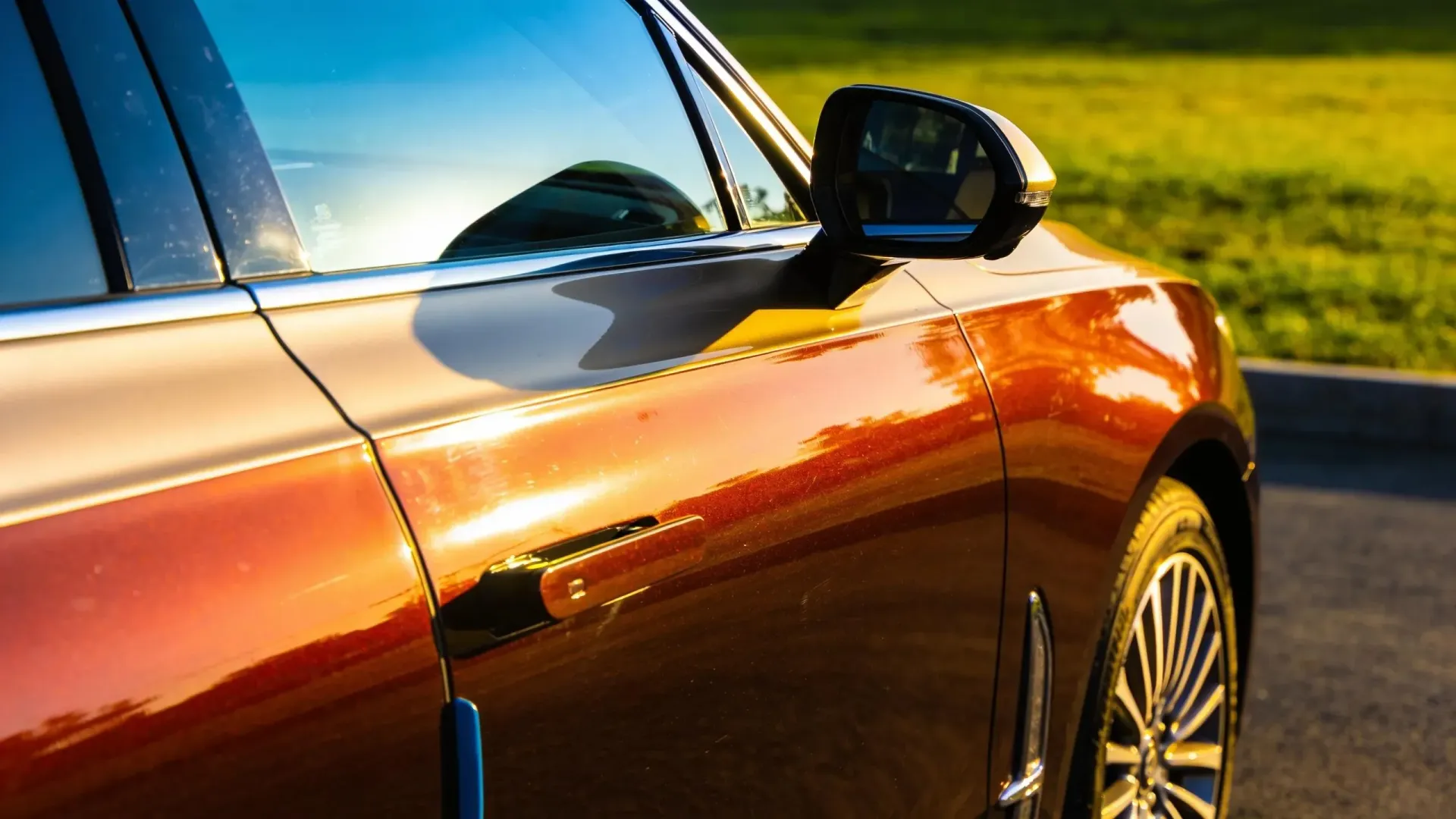
Owners of luxury vehicles frequently choose between paint protection film (PPF) and ceramic coatings to preserve finish and resale value. This article clarifies how each method protects paint by comparing durability, cost-effectiveness, maintenance, and appearance. We examine PPF’s physical protection, ceramic coatings’ enhancement of gloss and hydrophobic performance, and the maintenance and cost implications for long-term protection. The goal is to equip you with a clear basis for selecting the most suitable solution for sustained paint protection.
Comparison of Long-Term Protection: Paint Protection Film vs. Ceramic Coating
Assessing paint protection requires an understanding of how PPF and ceramic coatings defend the surface. Each uses a different mechanism to reduce damage and retain appearance over time.
- Durability: PPF acts as a physical barrier against scratches, dings, and environmental contaminants, while ceramic coatings bind chemically to the paint, providing a hydrophobic surface that repels water and dirt.
- Cost-Effectiveness: Although the initial investment for PPF may be higher, its longevity often extends beyond that of ceramic coatings, especially in high-traffic areas.
- Maintenance Requirements: Ceramic coatings require less frequent detailing due to their hydrophobic properties, allowing for easier clean-up. Conversely, PPF may necessitate more care to avoid yellowing or lifting.
For vehicle owners in Phoenix, AZ, EuroCars Detail offers professional application of both PPF and ceramic coatings to maintain your vehicle’s condition.
Durability Metrics Comparison
Comparing durability attributes clarifies where each protection type excels and where limitations exist.
| Product | Attribute | Value |
|---|---|---|
| Paint Protection Film | Physical Resistance | High (up to 8H hardness) |
| Ceramic Coating | Chemical Resistance | Moderate (pH resistant) |
| Paint Protection Film | Impact Resistance | Superior (self-healing properties) |
| Ceramic Coating | Scratch Resistance | Moderate (improved but less than PPF) |
The table demonstrates that PPF provides stronger physical and impact resistance, while ceramic coatings offer chemical resistance and improved surface properties.
What Are the Key Benefits of Paint Protection Film for Luxury Vehicles?
PPF delivers targeted protection that preserves finish and reduces the risk of costly paint repair on high-value vehicles.
- Enhanced Durability: PPF is designed to withstand physical impacts from road debris, UV rays, and harsh weather systems.
- Aesthetic Preservation: The film helps maintain a vehicle's showroom shine by protecting against scratches and chips, ensuring the paint looks immaculate over time.
- Self-Healing Properties: Many PPF products incorporate technology that allows minor scratches to self-heal when exposed to heat, further prolonging the film's aesthetic appeal.
How Does Paint Protection Film Provide Superior Physical Impact Resistance?
PPF is manufactured from engineered polyurethane that forms a robust, thick layer over the factory paint. That layer absorbs impacts from road debris and keys, preserving the finish. The material’s durability and self-healing characteristics reduce visible wear, supporting long-term aesthetic retention.
What Advanced Polymer Technologies Enhance PPF Durability?
Advances in polymer formulation have increased flexibility and resistance in modern PPF. Self-healing polyurethane and integrated UV inhibitors help maintain clarity and protective performance, extending effective service life while protecting paint integrity.
How Does Ceramic Coating Enhance Vehicle Paint Durability and Appearance?
Ceramic coatings consist of chemical polymers that bond to factory paint to form a protective, high-gloss layer that improves durability and visual depth.
- Hydrophobic Properties: The surface is exceptionally water-repellent, which aids in reducing dirt accumulation and makes washing the vehicle simpler.
- Long-Lasting Shine: Ceramic coatings enhance the depth and clarity of a vehicle's paint, significantly improving its visual appeal.
- Resistance to Environmental Damage: These coatings offer substantial protection against UV rays, bird droppings, and chemical stains, ensuring that vehicles look newer for longer.
What Are the Hydrophobic Properties of Ceramic Coatings?
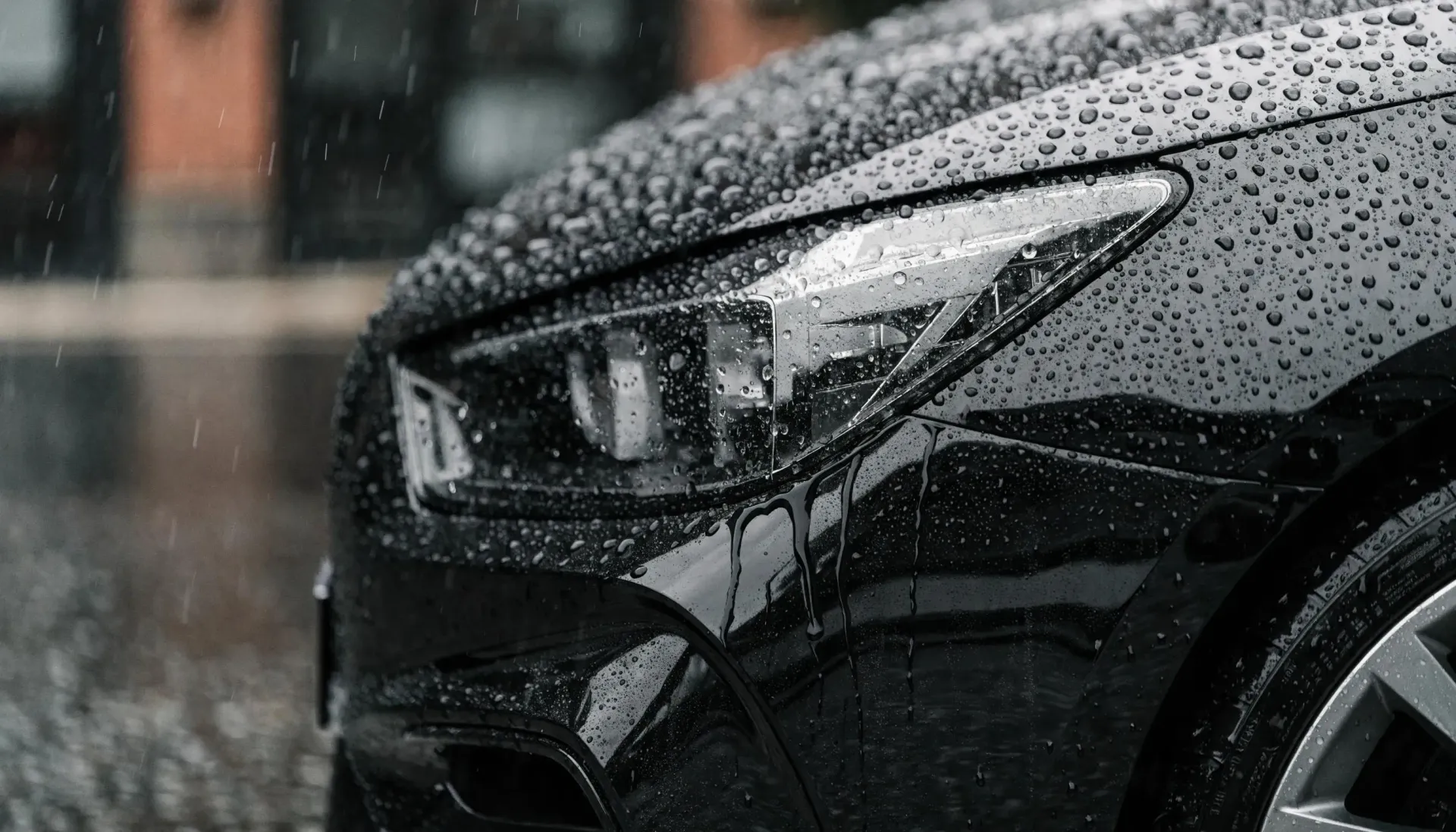
The hydrophobic finish causes water to bead and shed from the surface, carrying dirt and contaminants away. This reduces cleaning frequency and simplifies routine maintenance for vehicle owners.
How Do Ceramic Coatings Resist Scratches and Environmental Damage?
Ceramic coatings form a chemical bond with paint that increases surface hardness and resistance to environmental factors. While not impervious to deep scratches, the coating provides measurable protection against chemical etching and UV-related fading.
What Are the Installation and Maintenance Practices for PPF vs. Ceramic Coatings?
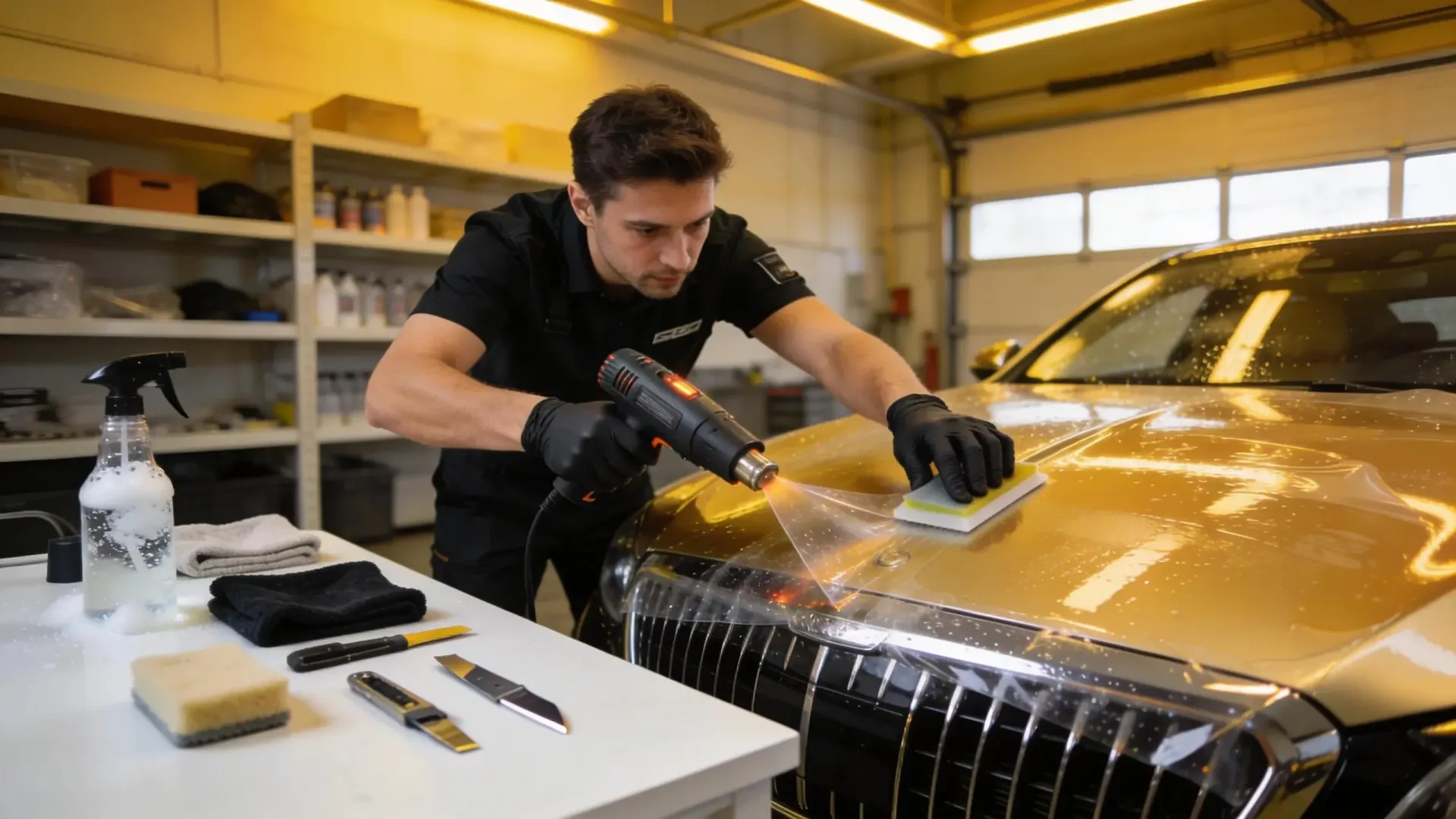
Correct installation and routine maintenance are essential to achieve the expected lifespan and performance from either protection method.
- Installation Requirements for PPF:Detailed pre-installation cleaningPrecise application by trained professionalsCurated fitting to prevent lifting
- Maintenance Needs of Ceramic Coatings:Regular washing with pH-neutral soapsInspections for wear and tear every 6-12 monthsApplication of maintenance sprays to enhance longevity
Which Steps Ensure Expert Paint Protection Film Installation?
Optimal PPF installation follows three core steps: meticulous surface preparation, precision cutting with templates or software for an exact fit, and controlled heat treatment to mould the film to contours and secure edges.
What Maintenance Is Required to Maximize Ceramic Coating Longevity?
To protect a ceramic coating, wash using a two-bucket method and pH-neutral shampoo, monitor water behaviour for signs of wear, and schedule professional detailing or maintenance sprays as needed to restore hydrophobic performance.
How Do the Costs and Return on Investment Compare Between PPF and Ceramic Coatings?
Comparing costs and ROI helps determine which protection method delivers the best long-term value based on coverage needs and usage patterns.
- Installation Costs: PPF can range significantly depending on vehicle size and coverage, often starting from around $1,500 for full-body coverage. Ceramic coatings generally cost between $1,000 to $2,000 for high-quality applications.
- Long-Term Savings: Investing in PPF may yield higher long-term savings due to its superior durability and damage prevention, potentially lowering repair costs associated with paint chips and scratches.
- Resale Value Impact: Vehicles protected with PPF or high-quality ceramic coatings often command higher resale values because they maintain a pristine appearance.
What Is the Cost-Benefit Analysis of Paint Protection Film for High-Value Cars?
For luxury vehicles, PPF can justify its cost by reducing the frequency and expense of paint repair. Its protection against chips and abrasion helps prevent premature exterior degradation and supports higher resale value.
How Does Ceramic Coating ROI Compare Over Vehicle Lifespan?
Ceramic coatings typically last two to five years with proper care. Over that period they can reduce maintenance time and help prevent paint deterioration, representing a worthwhile return when balanced against initial cost and upkeep.
What Do Customer Testimonials and Case Studies Reveal About Long-Term Protection?
Client feedback and case studies provide practical evidence of how each protection method performs under real-world conditions.
How Have PPF Clients Experienced Paint Preservation in Phoenix?
Clients of EuroCars Detail report that PPF has preserved showroom appearance despite Arizona’s challenging climate. Many note reduced paint damage and sustained finish quality after extended use.
What Success Stories Confirm Ceramic Coating Effectiveness?
Customers who chose ceramic coatings have documented improved water shedding and easier cleaning. Before-and-after comparisons provided by clients commonly show a marked improvement in gloss and surface clarity.
Frequently Asked Questions
1. Can I apply paint protection film and ceramic coating together?
Yes. Applying ceramic coating over PPF is a common practice to combine the film’s physical protection with a coating’s hydrophobic and gloss-enhancing properties. Consult a professional installer to determine the optimal sequence and products for your vehicle.
2. How do environmental factors affect PPF and ceramic coatings?
Environmental exposure—UV radiation, road debris, and severe weather—affects both products. PPF is specifically engineered to resist physical damage, while ceramic coatings mitigate UV and chemical effects. Regular cleaning and inspections extend service life for both.
3. How long does it take to install PPF or ceramic coating?
Installation times vary by vehicle and coverage. PPF typically requires one to three days for full installation, while ceramic coating applications take only a few hours, plus 24 to 48 hours of curing time before normal use.
4. Are there any warranties or guarantees for PPF or ceramic coatings?
Many manufacturers and reputable installers provide warranties—often in the five- to ten-year range—covering defects such as yellowing or cracking. Review warranty terms carefully, as correct installation and maintenance are commonly required for coverage.
5. How do I choose between PPF and ceramic coating for my vehicle?
Choose PPF when primary concern is protection from physical damage. Choose ceramic coating when the priority is enhanced gloss and easier maintenance. Consider vehicle use, environmental exposure, and desired coverage to decide which delivers the best value.
6. What should I consider for future maintenance of PPF and ceramic coatings?
Maintain both systems with regular washing and periodic inspections. PPF may need occasional professional attention to prevent lifting or yellowing; ceramic coatings benefit from maintenance sprays or professional rejuvenation to sustain hydrophobic performance.
7. Can I remove paint protection film and ceramic coatings?
Yes. Removal is possible but should be performed by trained professionals to avoid paint damage. PPF typically peels off in panels, while ceramic coatings require specific removal processes to fully clear the surface without harm.
Conclusion
Selecting between PPF and ceramic coating depends on your priorities: PPF provides superior defence against physical damage, while ceramic coatings improve gloss and reduce maintenance. Working with an experienced detailing service ensures correct product selection and installation to protect your vehicle and its value over time. Contact a professional to determine the best protection plan for your vehicle.
Quick Quote Form & Package Builder
GENERAL CONTACT FORM

CONNECT WITH US
PHONE: (602) 699-5358
EMAIL: info@eurocarsdetail.com
Hours of Operation
Monday-Friday: 9:00 AM - 6:00 PM
Saturday-Sunday: By Appointment Only
Social Media
Cars, trucks, and SUVs cannot be neglected. Their overall value and function in your life must be protected, perfected, and maintained at all costs. Here at EuroCars Detail, our business is distinctly rooted in these efforts, providing all drivers of any make, model, and year vehicle with an IDA-certified automotive detailing experience!
We have a professional team of ceramic coating specialists, paint protection film installation experts, window tinting applicators, and paint correction artists, all certified in the many XPEL products that are designed to keep contamination, UV rays, and more from all aspects of your vehicle. Outside of the Phoenix, Arizona area, we also serve those who drive in Scottsdale, Paradise Valley, Glendale, Peoria, Tempe, Cave Creek, Chandler, and Gilbert, Arizona.
With the rise of different electric vehicles that now populate the streets of our service areas, we at EuroCars Detail have perfected the art of correcting and protecting Rivian and Tesla finish, ensuring that their specific type of paint not only looks its best, but is handled with care. Whatever make and model you drive, please connect with our professional automotive detailers and get your FREE quote right away!