What Happens to Vehicles Without Paint Protection in Arizona?
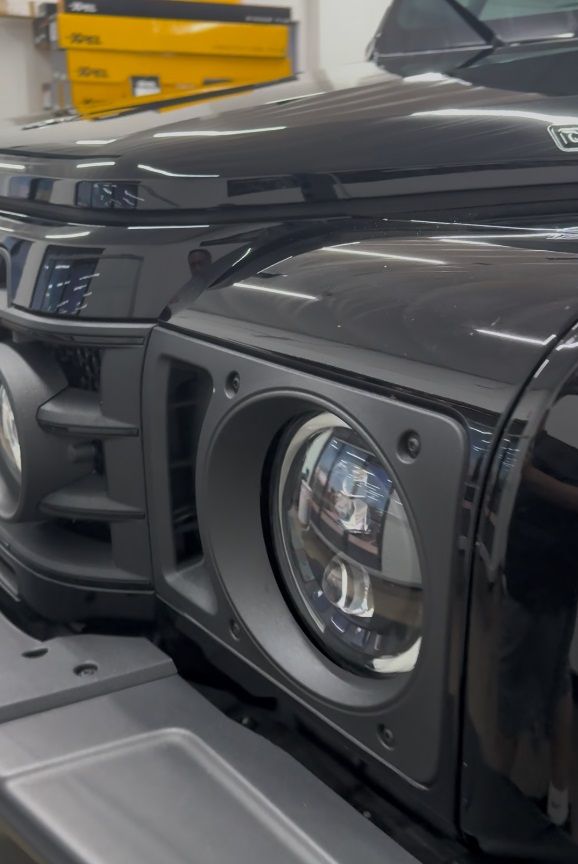
Skipping paint protection film on Arizona luxury cars exposes factory finishes to relentless rock chips, sun-baked stains, and UV fading that accumulate into costly repairs. Unprotected paint in Arizona faces permanent surface damage and diminished resale value. EuroCars Detail’s IDA-certified installation of self-healing PPF prevents this hidden wear through engineered protection.
What happens to luxury paint without PPF in Arizona?
Luxury vehicle paint in Arizona deteriorates rapidly without paint protection film. Rock chips, sun-baked stains, and UV fading accumulate into costly repairs. The desert climate punishes unprotected factory finishes every single day.
A vehicle's clear coat absorbs relentless ultraviolet radiation across Arizona summers. That exposure breaks down the chemical bonds in the paint. Fading begins within months, not years. Common issues caused by not installing paint protection film on my vehicle include oxidation that turns deep gloss into chalky haze. The damage is permanent once it reaches the base color layer.
How does Arizona's sun accelerate paint damage?
Arizona receives intense sunlight year-round. UV rays penetrate unprotected clear coat and degrade the pigment underneath. Luxury vehicle paint fading accelerates under intense sunlight without protective film barrier coverage. Darker colors like black, navy, and deep red show the damage fastest. The hood, roof, and trunk lid suffer the worst exposure.
What hidden damage occurs without PPF?
Rock chips create entry points for moisture and contaminants. Those tiny craters grow into rust spots over time. Skipping paint protection film exposes factory finishes to permanent surface damage, diminished resale value, and hidden wear on sensors near painted panels. Modern vehicles pack parking sensors and radar units behind front bumpers. Pitted paint around those sensors compromises their calibration and function.
The financial sting hits hardest at trade-in. Dealers deduct hundreds for every panel needing repaint. A vehicle with original, flawless paint commands a premium. One with faded clear coat and stone-chipped front fascia signals neglect. The common issues of skipping paint protection film installation extend beyond cosmetics into measurable value loss that no polish can reverse.
How does Arizona's sun damage unprotected paint?
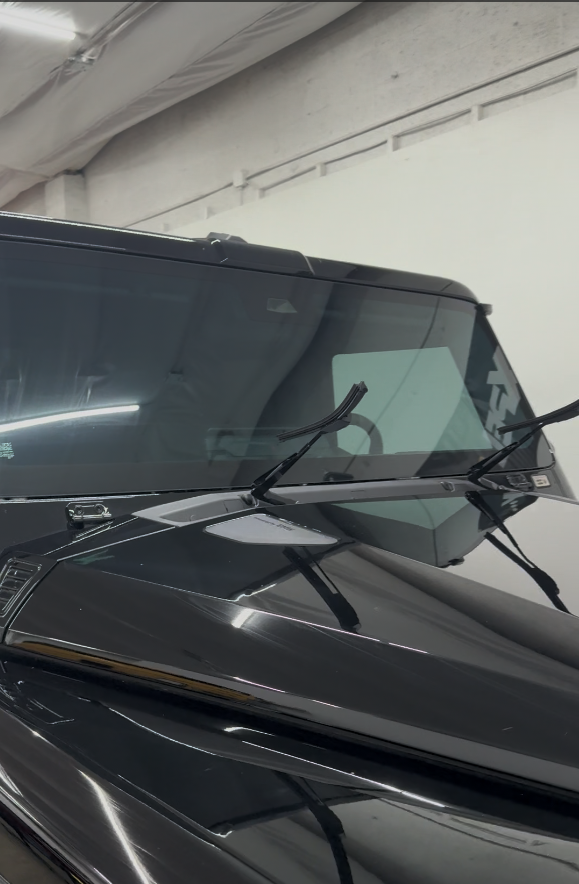
Arizona's relentless ultraviolet radiation degrades automotive clear coat through a process called photo-oxidation. Unprotected factory paint loses its molecular structure under continuous sun exposure, causing the clear coat to cloud, crack, and eventually separate from the color layer beneath. This damage is irreversible without professional restoration.
Paint surfaces in Arizona endure more than just UV assault. Unprotected vehicles sustain a combination of hazards that accelerate surface degradation. What Are Common Issues Caused by Not Installing Paint Protection Film on My Vehicle? The absence of a protective barrier leaves factory finishes vulnerable to four distinct threats: rock chips from desert road debris, bug acid etching that cor rosively pits clear coat, bird dropping stains that eat through top layers within hours, and environmental corrosion from airborne dust and chemical fallout. According to Sundown Window Tint, these damages accumulate even within a few thousand miles of driving.
Why does Arizona sunlight cause faster clear coat failure?
Desert UV radiation reaches extreme levels during summer months, where unprotected surfaces degrade faster than in temperate climates. Paint oxidation manifests as a chalky white haze across horizontal panels. The hood, roof, and trunk lid suffer most severely. This chalky texture indicates the clear coat has already failed; repainting is the only complete fix.
What happens when clear coat degrades on luxury vehicles?
Luxury paints from automakers like Porsche and Mercedes-Benz use thinner, more optically precise clear coats designed for showroom depth. That refined finish sacrifices durability. Surface damage spreads from cosmetic annoyance to structural failure rapidly. Moisture penetrates micro-cracks and reaches the primer layer, triggering corrosion that spreads beneath intact surrounding paint. EuroCars Detail addresses this specific vulnerability with protection systems designed for Arizona's climate. Preserving factory finishes demands intervention before oxidation begins, a concept explored further in why paint protection film matters in Arizona.
The cumulative effect accelerates resale depreciation. Restoring sun-damaged panels on a single luxury vehicle often exceeds the cost of comprehensive paint protection film installation. Factory-original paint remains a buyer's strongest quality signal in the pre-owned market, and Arizona's environment strips that signal away faster than nearly any other region in the country.
What are the real costs of skipping PPF long-term?
Skipping paint protection film (PPF) creates a cascade of expenses that far exceed the initial installation price. A full PPF installation costs a significant investment, yet forgoing this shield triggers repair bills and value losses that compound year after year. The financial sting comes from three directions: direct paint repairs, diminished resale value, and hidden damage that remains invisible until it is too late.
How does unprotected paint affect resale value?
Dealers and private buyers inspect factory finishes closely. Rock chips, faded clear coat, and etched stains signal neglect. These flaws slash trade-in offers by hundreds or even thousands of dollars. A vehicle with pristine original paint commands a premium. Without PPF, Arizona's relentless sun and road debris ensure that premium evaporates long before the owner lists the car for sale.
What hidden damage accumulates without PPF?
Surface scratches are only the visible problem. Unprotected paint systems suffer oxidation that penetrates the clear coat and attacks the color layer beneath. This degradation spreads silently. By the time dull patches or peeling appear, the damage requires professional paint correction or full panel repainting. Those services cost far more than the protective film that would have prevented them. The vehicle's aesthetic condition deteriorates permanently, locking in a lower valuation regardless of mechanical upkeep.
Common Issues Caused by Not Installing Paint Protection Film extend beyond cosmetics. Every unprotected mile in Arizona traffic adds micro-pitting to forward-facing surfaces. Hoods, fenders, and mirror caps accumulate damage that eventually demands respray work. Multiple panels push the total well past the price of comprehensive PPF coverage. The math is straightforward: short-term savings become long-term liabilities.
Can PPF damage paint if installed poorly?
Paint protection film does not damage factory paint when installed correctly. Poor installation, however, creates real risks that compound over time. A botched application traps debris beneath the film, leaves adhesive residue that etches clearcoat, and forces owners into removal scenarios where paint pulls away with the film. The difference between protection and damage hinges entirely on installer skill.
What happens when PPF is applied incorrectly?
Trapped contaminants cause the most immediate problems. Dirt, dust, or moisture sealed under the film abrade the clearcoat as the material expands and contracts through Arizona's extreme temperature swings. Adhesive failure follows. Low-quality films or improper surface preparation allow the adhesive layer to bond unevenly, creating cloudy patches and peeling edges that collect grime. The real danger emerges during removal. Paint Protection Film Problems: 3 Reasons to Skip PPF documents cases where bad installs wreck paint, with removal becoming the trap for owners who trusted unqualified installers.
How does professional installation prevent paint damage?
Certified installation eliminates these failure points through rigorous surface preparation and material expertise. When professionally installed, paint protection film safeguards the vehicle's paint and enhances both appearance and longevity, according to Does Paint Protection Film on a Car Damage Paints? The process begins with full paint decontamination and correction before any film touches the surface. EuroCars Detail operates as an IDA-certified provider and certified installer of XPEL technologies, ensuring every application meets manufacturer specifications. Properly stretched and bonded film releases cleanly years later without lifting clearcoat or leaving adhesive behind. Arizona owners who choose certified installers avoid the costly correction work that follows amateur applications.
Skipping paint protection film leaves a vehicle’s factory finish vulnerable to relentless damage that compounds into expensive repairs. Rock chips, UV fading, and stubborn stains accumulate rapidly on unprotected surfaces, forcing owners into costly paint correction and repainting services. Arizona’s intense sun and debris-laden roads accelerate this deterioration far beyond what clear coat alone can withstand.
Why do rock chips appear so quickly without PPF?
Arizona highways subject luxury paint to constant gravel and road debris impacts. Each strike removes a tiny fleck of clear coat and pigment. Without a sacrificial urethane layer, these chips multiply across the hood, bumper, and mirror caps within months. The damage penetrates past the clear coat into the base color, exposing bare metal to moisture and corrosion. Repairing deep chips requires sanding, filling, and panel respraying, a process that costs significantly more than proactive film installation.
How does sun exposure damage unprotected paint?
Intense UV radiation breaks down automotive clear coat at the molecular level. Oxidation turns deep gloss finishes chalky and dull. Darker colors absorb more heat, accelerating the chemical breakdown. Fading becomes uneven across horizontal panels like the hood and roof. Restoring sun-damaged paint demands multi-stage correction that removes measurable microns of clear coat, permanently thinning the protective layer.
Paint protection film was originally engineered for helicopter rotor blades and race car leading edges, high-impact, short-lifespan applications. Modern automotive formulations now shield daily drivers from the same destructive forces. The film absorbs abrasion that would otherwise etch into clear coat. Stains from bug acids, bird droppings, and tree sap sit on the film’s self-healing surface rather than bonding to paint. Without this barrier, contaminants etch permanent marks within 24 to 48 hours under Arizona heat.
Owners who delay protection face a compounding cycle of damage. Each unaddressed chip invites moisture intrusion. Every stain deepens with repeated sun exposure. The cumulative effect diminishes resale value and forces premature repainting. Understanding the top benefits of paint protection film clarifies why proactive installation preserves both appearance and long-term value.
FAQ
What happens to luxury paint without PPF in Arizona?
Unprotected factory finishes suffer permanent surface damage and diminished resale value.
How does Arizona's sun damage unprotected paint?
Ultraviolet radiation degrades clear coat through photo-oxidation, causing clouding, cracking, and separation from the color layer. This damage is irreversible without professional restoration.
What hidden damage occurs without PPF?
Rock chips create entry points for moisture and contaminants that grow into rust spots. Pitted paint around sensors compromises their calibration and function.
Conclusion
Skipping paint protection film on a luxury car in Arizona transforms a preventable expense into a guaranteed liability. Rock chips, UV oxidation, and etched stains compound into permanent damage that demands professional correction or panel repainting. The decision to delay protection locks in a lower resale value and forces owners into repairs that cost far more than the film itself. Protecting the finish from the start preserves both appearance and long-term investment.
Quick Quote Form & Package Builder
GENERAL CONTACT FORM

CONNECT WITH US
PHONE: (602) 699-5358
EMAIL: info@eurocarsdetail.com
Hours of Operation
Monday-Friday: 9:00 AM - 6:00 PM
Saturday-Sunday: By Appointment Only
Social Media
Cars, trucks, and SUVs cannot be neglected. Their overall value and function in your life must be protected, perfected, and maintained at all costs. Here at EuroCars Detail, our business is distinctly rooted in these efforts, providing all drivers of any make, model, and year vehicle with an IDA-certified automotive detailing experience!
We have a professional team of ceramic coating specialists, paint protection film installation experts, window tinting applicators, and paint correction artists, all certified in the many XPEL products that are designed to keep contamination, UV rays, and more from all aspects of your vehicle. Outside of the Phoenix, Arizona area, we also serve those who drive in Scottsdale, Paradise Valley, Glendale, Peoria, Tempe, Cave Creek, Chandler, and Gilbert, Arizona.
With the rise of different electric vehicles that now populate the streets of our service areas, we at EuroCars Detail have perfected the art of correcting and protecting Rivian and Tesla finish, ensuring that their specific type of paint not only looks its best, but is handled with care. Whatever make and model you drive, please connect with our professional automotive detailers and get your FREE quote right away!